tuberculosis transmission

migrant health South Africa, cross-border migration, vaccination coverage, immunization gaps, measles outbreaks, polio resurgence, tuberculosis transmission, urban settlements, informal settlements, public health risk, herd immunity, undocumented migrants, child immunization, adult vaccination, migration health policy, National Department of Health South Africa, Expanded Programme on Immunisation (EPI), catch-up vaccination, migrant-sensitive healthcare, disease surveillance, environmental surveillance, vaccine-preventable diseases, health equity, healthcare access barriers, mobile clinics, NGO health programs, community-based vaccination, TB treatment continuity, immunization data gaps, high-density housing, infectious disease outbreaks, migrant children, health system strengthening, WHO South Africa, NICD reports, public health interventions, policy recommendations, cross-municipality migration, socio-economic vulnerability, ethical health provision, measles vaccination campaign, polio monitoring, migrant-inclusive health policy.

How Does Incomplete Vaccination Coverage Among Cross-Border Migrants Threaten Disease Outbreaks in South African Communities?

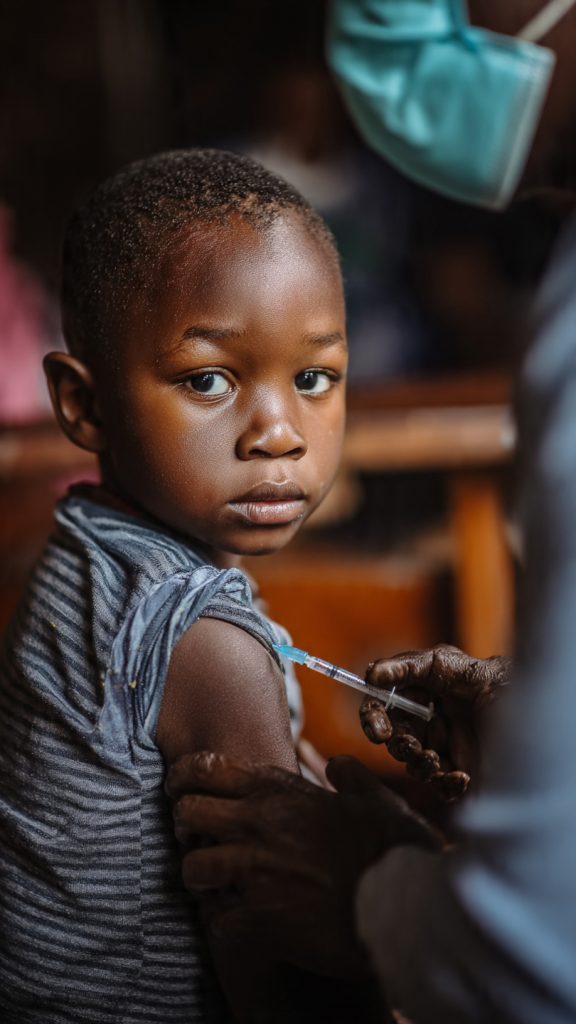
Incomplete Vaccination Among Migrants and Disease Risks in South Africa Opening — a warning from 2025 In 2025, National Institute for Communicable Diseases (NICD) data reported over 1,900 confirmed measles cases in South Africa by November, with the majority concentrated in urban provinces such as Gauteng. NICD+2IOL+2 Meanwhile, ongoing cross‑border migration — both regional and […]


How Does Incomplete Vaccination Coverage Among Cross-Border Migrants Threaten Disease Outbreaks in South African Communities? Read More »

South Africa immigration system, asylum seekers, refugee documentation, Department of Home Affairs, DHA, Refugee Reception Offices, RRO, asylum processing backlogs, migration health, undocumented migrants, healthcare access, documentation barriers, immigration reform, refugee status determination, asylum applications, migration policy, border management, digitization of immigration, mobile documentation services, healthcare integration, xenophobia, vulnerable populations, gender-based migration challenges, maternal health migrants, tuberculosis transmission, informal settlements, Cape Town immigration, Johannesburg refugee office, Durban migrant communities, KwaZulu-Natal mobile units, Refugee Appeals Authority, RAASA, birth registration, antenatal care access, emergency healthcare protocols, immigration law training, cultural competency, legal aid organizations, parliamentary oversight, civil society advocacy, research gaps migration health, intersectional vulnerabilities, climate-induced displacement, regional cooperation frameworks, universal healthcare access, cost-benefit analysis immigration reform, longitudinal health studies, participatory research approaches, stakeholder coordination, human rights migration, public health implications, system efficiency, constitutional values, African healthcare contexts, health policy makers, NGO workers, academic researchers, epidemiological data, policy analysis gaps, evidence-based solutions, implementation timelines, budget requirements, emergency response immigration, technology infrastructure upgrades, comprehensive legal framework revision, population health outcomes, discrimination healthcare settings, appointment systems immigration, satellite offices establishment, independent immigration tribunals, inter-departmental coordination mechanisms, migration-development nexus, forced displacement, economic migration processing, points-based visa system, fast-track processing vulnerable groups, integrated health-immigration databases, real-time documentation verification, patient privacy protection, emergency care costs, treatment delays, advanced medical conditions, preventable diseases, immunization coverage, disease outbreak risks, transportation barriers documentation, geographic access disparities, digital literacy programs, connectivity gaps, trauma-related health needs, mental health screening, legal assistance complex cases, monitoring processing outcomes, advocacy vulnerable populations, longitudinal outcome studies, rural migration research, underdocumented populations data, participatory community research, political will reform, resource allocation, moral imperatives, practical necessities, human suffering costs, economic inefficiency, regional leadership, restriction versus investment

Understanding South Africa’s Immigration System: Health Policy Challenges and Reform Imperatives

South Africa’s Immigration  Health Policy Reform Recently, Amara*, a pregnant Zimbabwean woman, waited fourteen hours at Cape Town’s Refugee Reception Office (RRO) only to be turned away without processing her asylum application. Subsequently, she delivered her baby without proper documentation, consequently limiting both her and her child’s access to essential healthcare services. Unfortunately, this scenario

Understanding South Africa’s Immigration System: Health Policy Challenges and Reform Imperatives Read More »

African migrants, healthcare exclusion, South Africa, public health paradox, universal health coverage, tuberculosis transmission, HIV/AIDS, communicable diseases, xenophobia, medical xenophobia, health systems, migration health, healthcare access, health equity, health policy, National Health Insurance, constitutional rights, refugee health, asylum seekers, undocumented migrants, health security, disease surveillance, drug-resistant tuberculosis, healthcare providers, frontline workers, health economics, cost-benefit analysis, emergency treatment, preventive care, regional health, Southern African Development Community, cross-border health, health disparities, social determinants of health, vulnerable populations, human rights, health justice, inclusive healthcare, residence-based coverage, citizenship-based exclusion, health system strengthening, epidemic control, outbreak management, contact tracing, community transmission, population health, migrant-inclusive policies, healthcare rationing, resource allocation, moral distress, healthcare ethics, policy implementation, institutional barriers, documentation requirements, informal healthcare exclusion, alternative healthcare seeking, health-seeking behavior, urban health, rural health, provincial health systems, Gauteng healthcare, Western Cape health, Limpopo health, border health, construction workers, informal settlements, overcrowded housing, occupational health, gender and migration, women migrants, children migrants, elderly migrants, chronic diseases, mental health, maternal health, reproductive health, PrEP access, antiretroviral therapy, treatment adherence, loss to follow-up, healthcare continuity, health insurance, out-of-pocket payments, financial barriers, language barriers, cultural barriers, health literacy, community health workers, non-governmental organizations, civil society, advocacy, health activism, research methodology, mixed methods, epidemiological analysis, ethnographic research, participatory research, health economics modeling, surveillance data, health information systems

The Public Health Paradox: The Unintended Consequences of Excluding Migrants from Healthcare in South Africa

The Public Health Crisis We’re Creating: Why Excluding Migrants from Healthcare Threatens Us All Picture this screnario on Migrants Healthcare in South Africa: A Zimbabwean construction worker in Johannesburg develops a persistent cough. He knows it could be tuberculosis—TB is endemic in his home region—but he’s terrified to seek treatment. He’s heard the stories from

The Public Health Paradox: The Unintended Consequences of Excluding Migrants from Healthcare in South Africa Read More »