Malawian migrants, Limpopo, South Africa, health-seeking behavior, traditional medicine, biomedical healthcare, dual healthcare utilization, migrant health, access to healthcare, cultural beliefs, traditional healers, public clinics, maternal health, chronic illness, infectious disease, TB, HIV, malaria, community health workers, mobile health units, healthcare policy, National Health Act, Traditional Health Practitioners Act, undocumented migrants, language barriers, xenophobia, health disparities, integration of traditional medicine, culturally sensitive care, NGO interventions, healthcare outreach, migrant communities, healthcare access barriers, intersectional factors, gender and health, age and health, healthcare programs, evidence-based interventions, migrant health outcomes, South African health policy, health education, mobile clinics, referral systems, digital health solutions, sustainable healthcare models, community-based care, ethical healthcare, patient-centered care, dual treatment approaches, health policy gaps, migrant-focused programs.

Traditional Medicine Practices vs. Biomedical Healthcare: Health-Seeking Patterns of Malawian Migrants in Limpopo

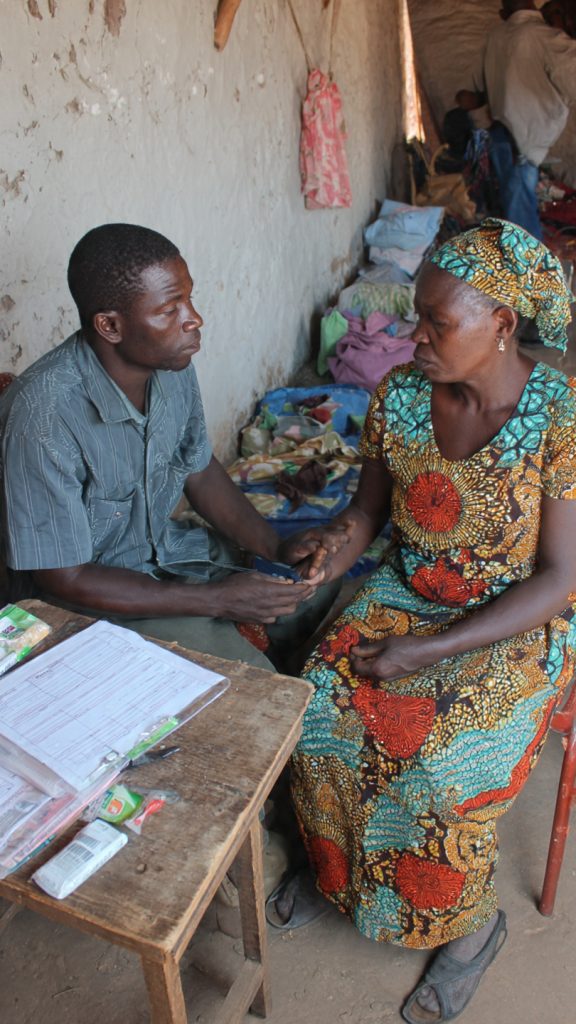
Traditional Medicine vs. Biomedical Healthcare: Health-Seeking Patterns of Malawian Migrants in Limpopo Understanding the Health-Seeking Landscape Malawian migrants in Limpopo navigate complex healthcare options. For instance, a 2023 survey found that over 60% rely on traditional healers annually, while 45% access public clinics. Consequently, migrants often alternate between systems depending on illness severity and accessibility. […]

Traditional Medicine Practices vs. Biomedical Healthcare: Health-Seeking Patterns of Malawian Migrants in Limpopo Read More »