public health outcomes

undocumented African migrants, South Africa, diet-related non-communicable diseases, NCDs, healthcare access barriers, structural determinants of health, legal barriers, social determinants, health inequality, migration health, hypertension, diabetes, cardiovascular disease, urban migrants, food insecurity, dietary transition, acculturation, processed foods, chronic disease management, primary healthcare, medical xenophobia, discrimination, health policy, public health, NGO interventions, community health programs, migrant-inclusive healthcare, health literacy, culturally sensitive care, language barriers, social exclusion, informal settlements, low-income migrants, preventive care, NCD screening, health system adaptation, data collection, migrant health fund, intersectoral action, policy recommendations, South African health policy, WHO guidelines, MSF programs, urban nutrition, health equity, chronic disease treatment, migrant-led organizations, access to care, healthcare utilization, ethical sensitivity, human rights, inclusive NCD strategies, public health outcomes, evidence-based solutions, empirical data, research gaps.

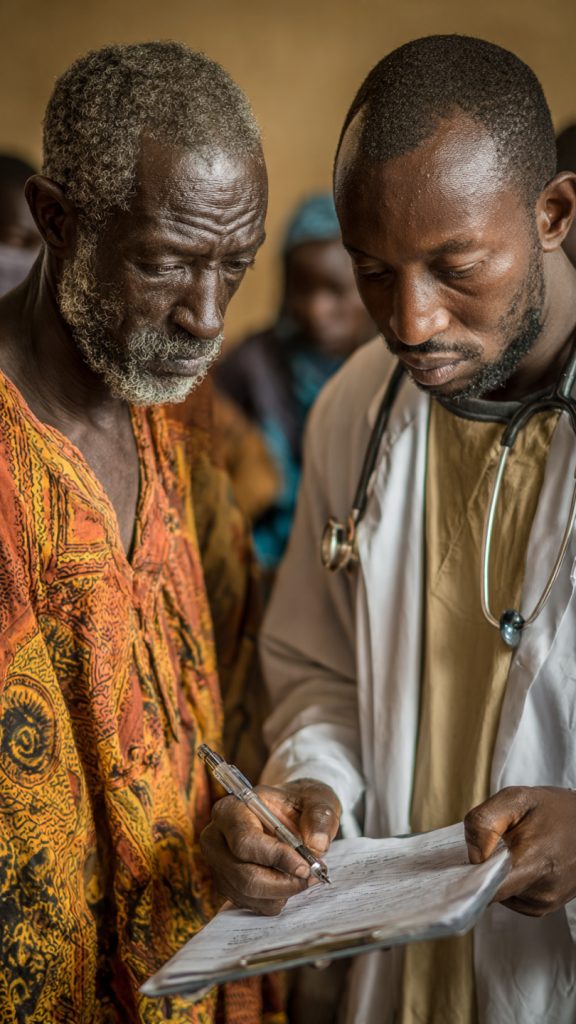
What Are the Barriers to Healthcare Access for Diet-Related Non-Communicable Diseases Among Undocumented African Migrants?

Barriers to Healthcare Access for Diet‑Related Non‑Communicable Diseases (NCDs) Among Undocumented African Migrants in South Africa   Introduction: A Hidden Burden in Plain Sight “ I worry when my chest feels tight and I cannot eat; but I dare not go to the clinic. I might be turned away.” — interview with an undocumented migrant in […]

What Are the Barriers to Healthcare Access for Diet-Related Non-Communicable Diseases Among Undocumented African Migrants? Read More »

immigration documentation, digital transformation, South Africa immigration, healthcare access, migrant health, documentation barriers, visa processing, Home Affairs, digital visa system, ETA system, asylum seekers, refugees, permit renewal, biometric identification, healthcare providers, policy implementation, SADC countries, cross-border migration, legal pathways, administrative efficiency, public health outcomes, emergency care, maternal health, HIV treatment, tuberculosis contact tracing, documentation delays, permit backlogs, digital identity, mobile documentation, blockchain systems, AI risk assessment, healthcare costs, treatment interruption, antenatal care, preventive care, emergency department, Chris Hani Baragwanath Hospital, Cape Town, Johannesburg, Durban, Western Cape Department of Health, University of Cape Town, Banking Association South Africa, health access card, interim healthcare certificates, immigration liaison officers, multilingual systems, specialized immigration courts, reciprocal agreements, regional integration, G20 presidency, human rights compliance, civil society organizations, legal aid, community education, rural-urban disparities, gender-specific impacts, age-related factors, LGBTI+ migrants, intersectional vulnerabilities, evidence-based policy, longitudinal data, technology accessibility, digital literacy, health system coordination, inclusive design, social cohesion, health equity, migration governance, administrative burden, processing times, fraud prevention, border queues, cost reduction, treatment protocols, CD4 count, antiretroviral therapy, contact tracing, population health indicators, return on investment

Documentation and Legal Pathways: Creating Accessible Immigration Processes

 Accessible Immigration Processes Opening: The Documentation Dilemma Maria, a Zimbabwean nurse working in Cape Town’s public health system, spent three days navigating between Home Affairs offices, losing critical work hours while attempting to renew her work permit. Meanwhile, Ahmad, a Syrian refugee in Johannesburg, delayed seeking HIV treatment for six months due to uncertain documentation

Documentation and Legal Pathways: Creating Accessible Immigration Processes Read More »