labor migration, Southern Africa, kapenta, dried fish trade, Lake Kariba, informal food systems, food security, nutrition security, migrant health, public health, urban health, cross-border trade, informal economy, migrant diets, affordable protein, food systems, migration and health, migration policy, health policy, National Health Insurance South Africa, primary health care access, undocumented migrants, healthcare access barriers, xenophobia, gender and migration, women traders, intersectionality, occupational health risks, food safety, environmental health, informal markets, spaza shops, street vendors, Johannesburg inner city, Cape Town townships, eThekwini informal trade, Gqeberha markets, urban poverty, social networks, remittances and food, circular migration, Southern African Development Community (SADC), regional food systems, NGO interventions, community-led health programs, mobile clinics, policy gaps, governance silos, migrant-inclusive policies, nutrition policy, urban food governance, livelihoods, resilience, public health equity

The Kapenta Trail: How Labor Migration Created Southern Africa’s Most Unlikely Food Network

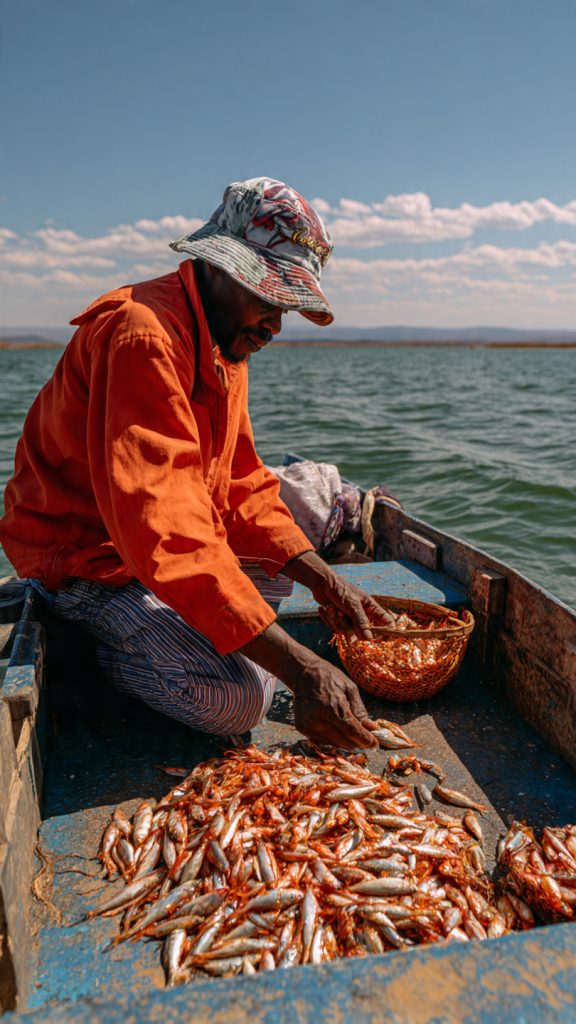
Migration on the Menu: Kapenta, Food, and Health Following fish, families, and farming knowledge from Lake Kariba to the Cape Opening: A Fish That Travels Further Than People In 2023, dried kapenta from Lake Kariba appeared in informal markets across Johannesburg, Cape Town, and Gqeberha. Alongside mielie meal and tomatoes, traders sold it to low-income […]

The Kapenta Trail: How Labor Migration Created Southern Africa’s Most Unlikely Food Network Read More »