sorghum, Southern Africa, cross-border trade, forgotten superfood, migration, food security, nutrition, indigenous grains, climate-smart agriculture, urban food systems, migrant farmers, informal trade, rooftop farming, small-scale farming, gender, women traders, Zimbabwean migrants, Mozambican migrants, Malawian migrants, dietary diversity, micronutrient deficiency, drought-resistant crops, school feeding programs, public health, nutrition policy, food corridors, urban agriculture, livelihood, food sovereignty, indigenous knowledge, policy gaps, informal markets, child nutrition, ECD programs, climate resilience, low-input farming, traditional foods, health outcomes, migrant-inclusive programs, food policy, community-based solutions, nutrition security, health equity, local markets, seed circulation, household income, food accessibility, trade regulation, cross-border corridors, sustainable food systems, food innovation, cultural continuity, urban nutrition

The Sorghum Comeback: How Cross-Border Trade Is Reviving Southern Africa’s Forgotten Superfood

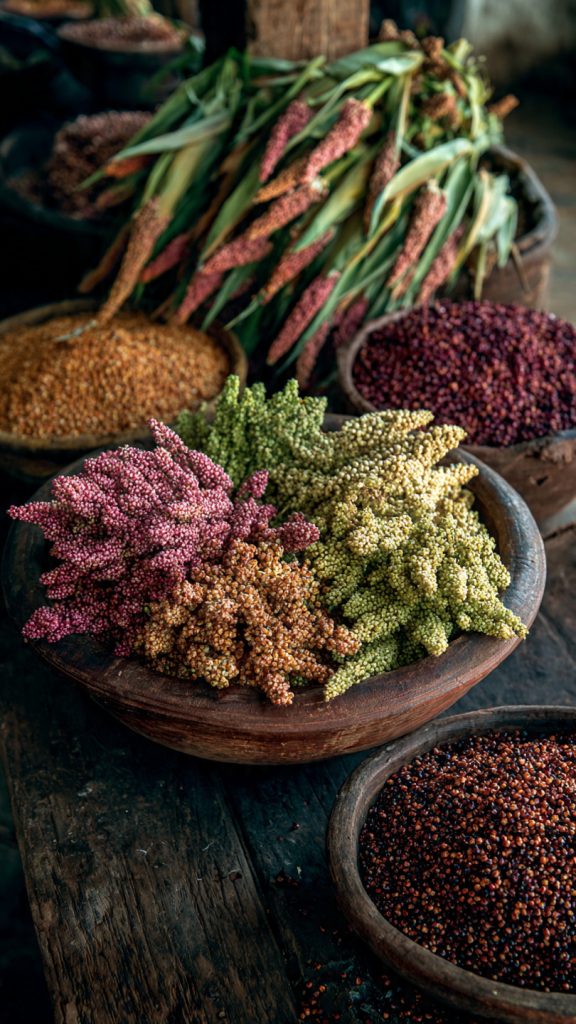
How Cross-Border Trade Is Reviving Sorghum Migration routes are becoming organic grain corridors—here’s why it matters A Quiet Revival Along Southern Africa’s Borders In 2023, South Africa imported over 280,000 tonnes of sorghum, much of it moving informally across borders before entering formal markets.This shift signals more than a trade adjustment. It reflects a nutritional, […]

The Sorghum Comeback: How Cross-Border Trade Is Reviving Southern Africa’s Forgotten Superfood Read More »