irregular migrants

xenophobia South Africa, workplace discrimination, migrant laborers, human rights, occupational safety, labor migration policy, Gauteng, Western Cape, KwaZulu-Natal, migrant women, gendered vulnerabilities, irregular migrants, asylum seekers, refugees, wage theft, labor exploitation, mental health migrants, workplace harassment, labor inspections, Employment Equity Act, Labour Relations Act, Basic Conditions of Employment Act, Occupational Health and Safety Act, Decent Work for All, COSATU, SAFTU, Scalabrini Centre, CoRMSA, Jesuit Refugee Service, migrant inclusion, union advocacy, anti-xenophobia programs, digital complaint platforms, labor rights enforcement, policy gaps, intersectionality, health and safety, informal sector, migrant protection, wage discrimination, workplace violence, occupational hazards, South African law, migrant advocacy, labor rights education, inclusive workplace policies, labor inspections Gauteng, migrant worker case studies, employment rights, documentation barriers, social protection migrants, migrant worker mental health, economic insecurity migrants, safe workplaces, migrant labor challenges, action plan migrant rights.

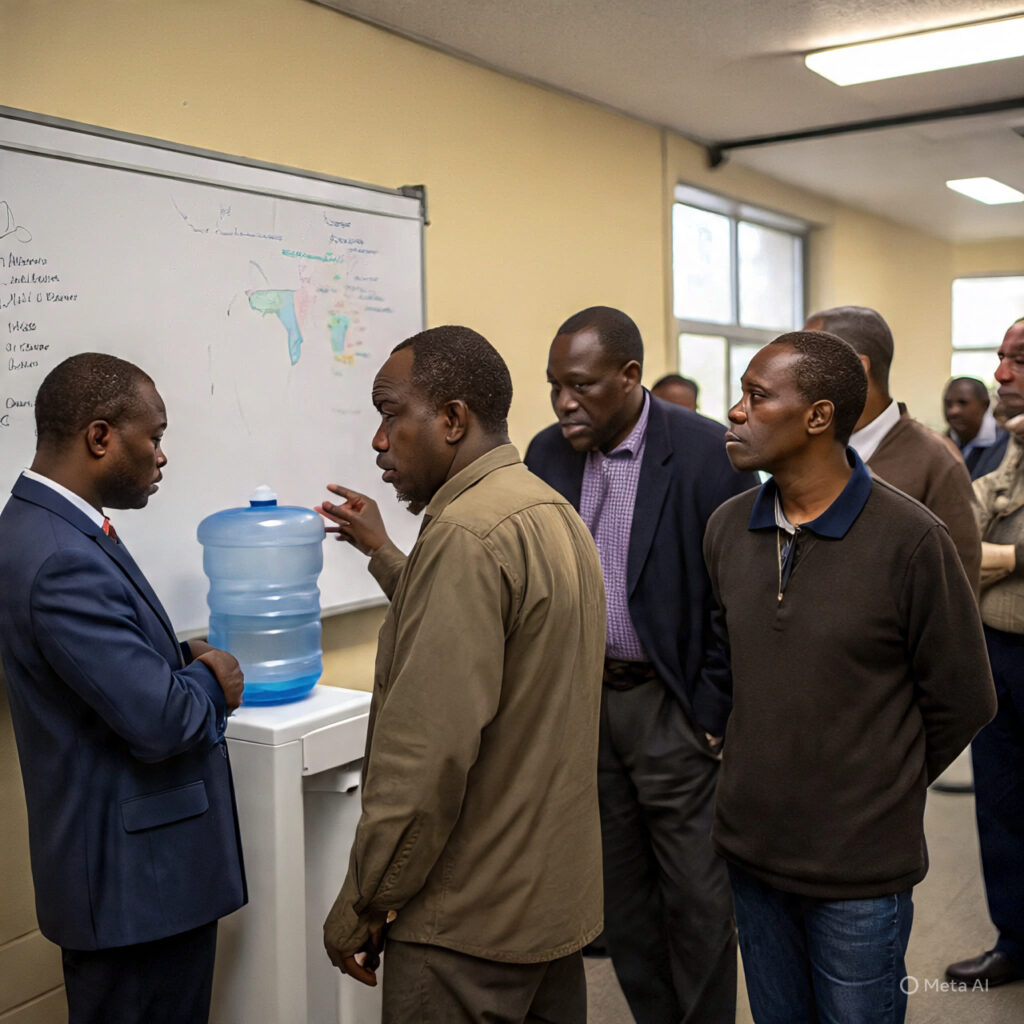
How Does Xenophobia in South African Workplaces Affect the Human Rights and Safety of Migrant Laborers?

Xenophobia in South African Workplaces Introduction: Fear at Work – The Hidden Cost of Xenophobia In South Africa, workplaces should be spaces of safety, dignity, and opportunity. Yet many African migrant laborers experience fear and exclusion instead. According to a recent report on xenophobic discrimination in South Africa (2022–2024), xenophobic incidents—including workplace-related discrimination—remain widespread.¹ In […]

How Does Xenophobia in South African Workplaces Affect the Human Rights and Safety of Migrant Laborers? Read More »

South Africa migration amnesty, irregular migrants, migration regularization, migrant documentation, economic contributions migrants, labor market South Africa, migrant healthcare access, human rights migrants, public safety migrants, regional migration precedents, Spain migration amnesty, Italy migration regularization, Argentina immigration policy, informal economy migrants, migrant integration, xenophobia South Africa, migrant social protection, undocumented migrants, migration policy South Africa, cross-border trade migrants, migrant legal aid, migrant inclusion, migration monitoring and evaluation, South African Department of Home Affairs, migrant advocacy NGOs, migration public awareness campaigns, migrant employment support, urban migrant settlements, migrant health outcomes, vulnerable migrant populations, intersectional migration policy, migration implementation roadmap

Regularization Pathways: Why South Africa Needs a Comprehensive Migration Amnesty Program

 Migration Amnesty Program Introduction: The Case for a Migration Amnesty South Africa hosts over 2.9 million migrants, many of whom live in precarious conditions due to irregular status. These individuals contribute significantly to the economy, yet remain excluded from essential services, including healthcare. A comprehensive migration amnesty could address these challenges, benefiting both migrants and

Regularization Pathways: Why South Africa Needs a Comprehensive Migration Amnesty Program Read More »

police brutality South Africa, migrant rights South Africa, xenophobia, irregular migrants, police corruption, extortion by police, arbitrary arrests, racial profiling, South African Police Service, SAPS misconduct, IPID oversight, Civilian Secretariat for Police, community policing forums, human rights violations, immigration enforcement, migrant health, public health and policing, healthcare access for migrants, law enforcement accountability, Lindela Repatriation Centre, corruption watch South Africa, Lawyers for Human Rights, African Centre for Migration and Society, Amnesty International South Africa, fear of arrest, gender-based violence migrants, migrant women abuse, public health security, undocumented migrants, Operation Dudula, anti-immigrant violence, migrant traders, informal economy policing, street-level corruption, police reform South Africa, accountability mechanisms, civil society oversight, migrant inclusion, community safety, policy reform South Africa, SAPS training, human dignity, equality before the law, migrant advocacy, xenophobia and health, policing and human rights, African migrants South Africa, health system response, migration policy, migrants in Gauteng, migrants in Johannesburg, migrants in Durban, migrants in Cape Town, inclusive policing, law enforcement reform, migrant protection, border control policy, constitutional rights South Africa, Immigration Act South Africa, migrant livelihoods, anti-corruption initiatives, social justice, urban safety, human security, community trust, migrant participation, health policy reform, TB and HIV among migrants, police impunity, rule of law South Africa, ethical policing, discrimination in policing, migrants and healthcare access, corruption in law enforcement, South African human rights law, refugee protection, asylum seekers South Africa, NGO interventions, migration health research, evidence-based policy, policy recommendations South Africa, intersectionality and policing, vulnerable populations South Africa.

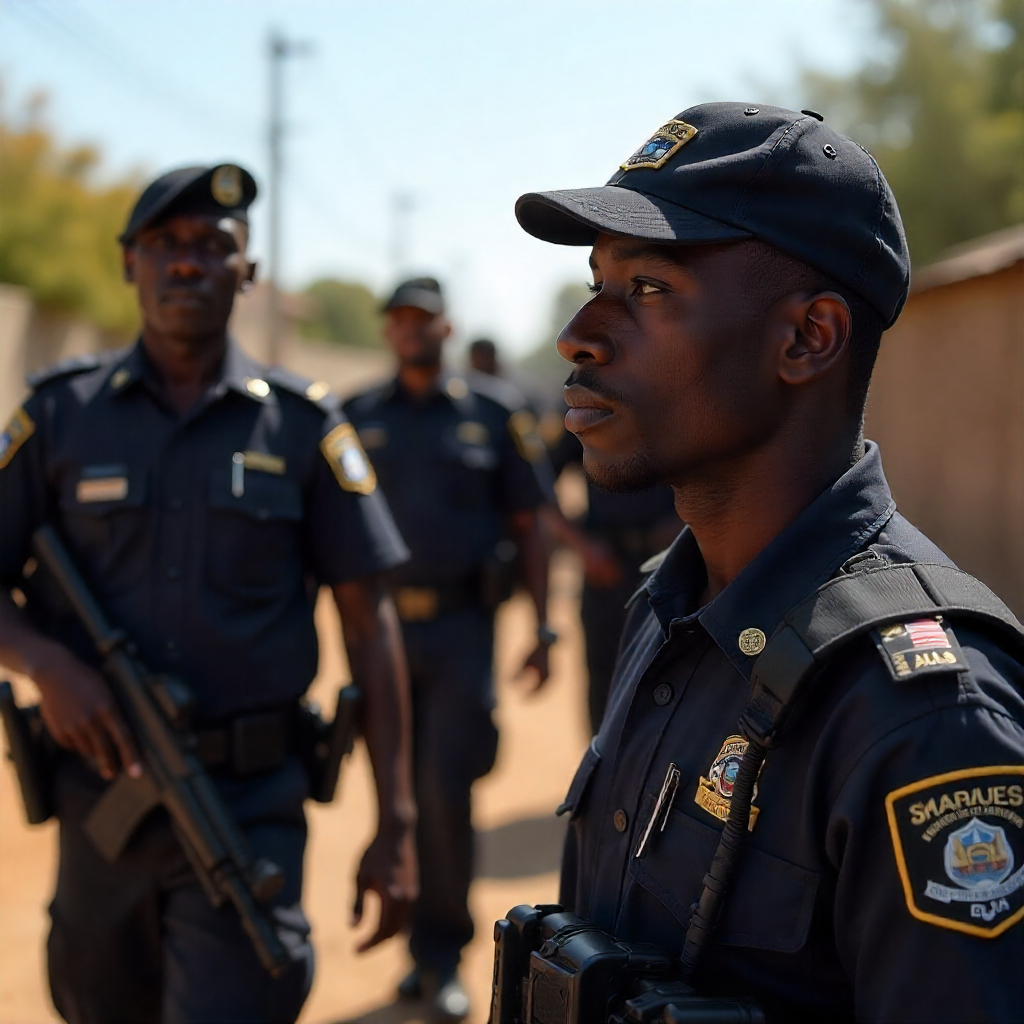
Police or Persecutors? When Law Enforcement Targets Irregular Migrants Instead of Protecting Them

When Law Enforcement Becomes a Threat to Migrant Safety Introduction: When Protection Turns into Persecution In South Africa’s cities, law enforcement is meant to ensure safety. Yet for thousands of African migrants, the police represent fear, not protection.In Johannesburg’s inner city, 32-year-old Musa, a Zimbabwean trader, recounts being stopped five times in one month. Each

Police or Persecutors? When Law Enforcement Targets Irregular Migrants Instead of Protecting Them Read More »

South Africa, refugee health, asylum seekers, healthcare access, migration health, health policy, refugee integration, asylum system, healthcare barriers, documentation status, Section 22 permits, refugee protection, health systems, public health, mental health, trauma-informed care, xenophobia, medical discrimination, language barriers, cultural competency, healthcare providers, emergency care, chronic disease management, maternal health, HIV testing, tuberculosis treatment, community health workers, mobile clinics, telemedicine, digital health, multilingual services, legal aid, human rights, constitutional rights, Refugees Act 130, National Health Insurance, universal health coverage, health equity, vulnerable populations, forced migration, displaced persons, UNHCR, NGO partnerships, integrated service delivery, trauma recovery, PTSD, depression, anxiety, gender-based violence, reproductive health, prenatal care, immunizations, infectious diseases, non-communicable diseases, diabetes, hypertension, medication adherence, treatment completion, healthcare utilization, patient satisfaction, health outcomes, public health emergency, temporal vulnerability, legal limbo, permit renewals, bureaucratic barriers, administrative delays, asylum backlog, Johannesburg, Cape Town, Durban, urban health, community-based interventions, peer support, cultural mediators, interpretation services, healthcare workforce, training programs, policy implementation, health system strengthening, regional cooperation, SADC, evidence-based practice, longitudinal studies, surveillance systems, research gaps, intersectional analysis, age-specific care, gender-responsive approaches, nationality factors, Somali refugees, Congolese refugees, Burundian refugees, Ethiopian refugees, francophone populations, emergency departments, primary healthcare, preventive care, cost-effectiveness, sustainability, scalability, innovation, technology solutions, mobile health apps, electronic permits, stakeholder engagement, multi-sectoral collaboration, advocacy, social determinants of health, health disparities, access to care, quality of care, continuity of care, patient safety, cultural sensitivity, ethical considerations, human dignity, social justice, health rights, policy reform, system integration, capacity building, resource allocation, funding mechanisms, international cooperation, best practices, lessons learned, case studies, empirical evidence, statistical analysis, comparative research, implementation science, health economics, migration patterns, demographic data, epidemiological surveillance, disease prevention, health promotion, community engagement, participatory approaches, empowerment, resilience building, social cohesion, xenophobic violence, safety concerns, geographic barriers, urban concentration, service accessibility, transport challenges, appointment scheduling, waiting times, emergency services, specialist care, referral pathways, care coordination, multidisciplinary teams, holistic approaches, person-centered care, family support, child health, elderly care, disability inclusion, LGBTI+ refugees, unaccompanied minors, survivors of torture, trafficking victims, stateless persons, mixed migration flows, economic migrants, irregular migrants, deportation fears, voluntary repatriation, local integration, resettlement, durable solutions

South Africa’s Refugee and Asylum System: Processing, Integration and Support Mechanisms Through a Health Policy Lens

A Crisis at the Intersection of Migration and Health The Human Cost of System Failure In the corridors of Charlotte Maxeke Johannesburg Academic Hospital, Dr. Sarah Ndlovu encounters a familiar struggle. A 34-year-old asylum seeker from the Democratic Republic of Congo sits before her. She carries her pregnancy at seven months. However, she holds only

South Africa’s Refugee and Asylum System: Processing, Integration and Support Mechanisms Through a Health Policy Lens Read More »