Home Affairs

informal food markets, migrant communities, South African cities, food security, urban livelihoods, street vendors, informal trading, migrant nutrition, refugee food access, Johannesburg informal markets, Cape Town migrant food, Durban food markets, food affordability, culturally relevant foods, municipal by-laws, gender and migration, undocumented migrants, youth migrants, older migrants, public health, food safety, WASH infrastructure, food supply chains, social cohesion, community-led solutions, policy gaps, National Development Plan, Integrated Food Security Strategy, Home Affairs, informal trader support, migrant inclusion, urban food systems, intersectional vulnerabilities, ethnic food markets, livelihood support, urban poverty, food inflation, nutrition access, informal economy, migrant women traders, market infrastructure, hygiene training, credit systems, informal sector regulation, sustainable urban food, peer-to-peer support, NGO interventions, evidence-based policy

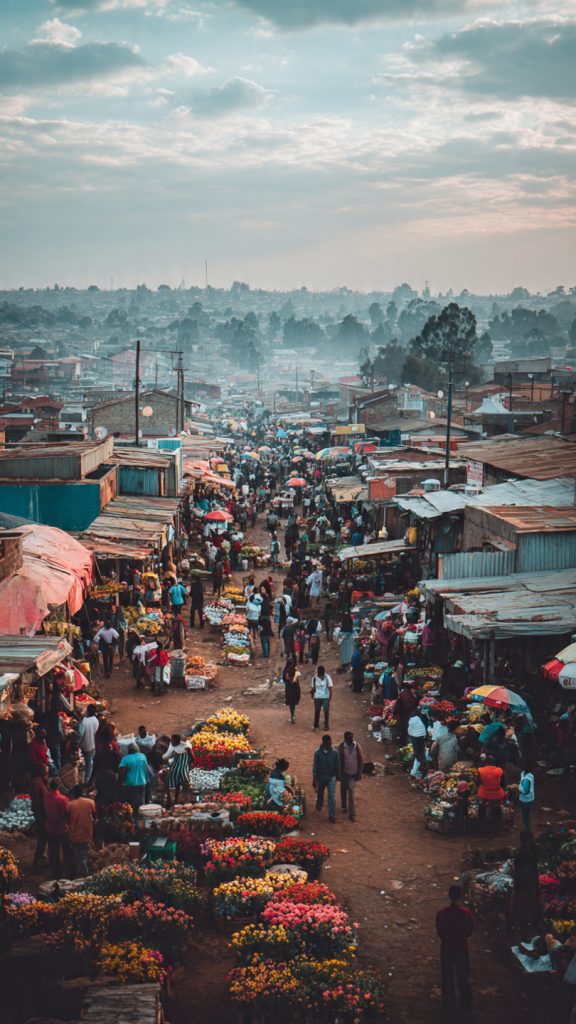
The Role of Informal Food Markets in Sustaining Migrant Communities Across South African Cities

Informal Food Markets and Migrant Survival in South African Cities Introduction: A Daily Struggle Hidden in Plain Sight At 5 a.m. on a cold winter morning in Johannesburg’s inner city, Amina*, a 29-year-old Somali mother, arranges vegetables at her small pavement stall. She arrived in South Africa six years ago, hoping for stability. Yet rising […]

The Role of Informal Food Markets in Sustaining Migrant Communities Across South African Cities Read More »

immigration documentation, digital transformation, South Africa immigration, healthcare access, migrant health, documentation barriers, visa processing, Home Affairs, digital visa system, ETA system, asylum seekers, refugees, permit renewal, biometric identification, healthcare providers, policy implementation, SADC countries, cross-border migration, legal pathways, administrative efficiency, public health outcomes, emergency care, maternal health, HIV treatment, tuberculosis contact tracing, documentation delays, permit backlogs, digital identity, mobile documentation, blockchain systems, AI risk assessment, healthcare costs, treatment interruption, antenatal care, preventive care, emergency department, Chris Hani Baragwanath Hospital, Cape Town, Johannesburg, Durban, Western Cape Department of Health, University of Cape Town, Banking Association South Africa, health access card, interim healthcare certificates, immigration liaison officers, multilingual systems, specialized immigration courts, reciprocal agreements, regional integration, G20 presidency, human rights compliance, civil society organizations, legal aid, community education, rural-urban disparities, gender-specific impacts, age-related factors, LGBTI+ migrants, intersectional vulnerabilities, evidence-based policy, longitudinal data, technology accessibility, digital literacy, health system coordination, inclusive design, social cohesion, health equity, migration governance, administrative burden, processing times, fraud prevention, border queues, cost reduction, treatment protocols, CD4 count, antiretroviral therapy, contact tracing, population health indicators, return on investment

Documentation and Legal Pathways: Creating Accessible Immigration Processes

 Accessible Immigration Processes Opening: The Documentation Dilemma Maria, a Zimbabwean nurse working in Cape Town’s public health system, spent three days navigating between Home Affairs offices, losing critical work hours while attempting to renew her work permit. Meanwhile, Ahmad, a Syrian refugee in Johannesburg, delayed seeking HIV treatment for six months due to uncertain documentation

Documentation and Legal Pathways: Creating Accessible Immigration Processes Read More »