
gendered vulnerabilities

Zimbabwean migrant children, climate-displaced children, xenophobia in schools, South Africa migration, child education access, Gauteng migrant learners, Limpopo school inclusion, Western Cape migrant students, Zimbabwe drought migration, undocumented children education, migrant child health, school bullying, trauma-informed education, school feeding schemes, cross-border mobility, climate migration policy, South African education policy, child nutrition, mental health of migrants, anti-xenophobia programs, migrant integration, temporary documentation, refugee children South Africa, climate-related displacement, migrant adolescent wellbeing, education continuity, migrant family mobility, inclusion pilot programs, psychosocial support schools, SADC migration, migration health research, gendered vulnerabilities, informal settlement schooling, migrant child protection, cross-sector coordination, EMIS data on migrants, humanitarian education interventions, education equity, South African school policy

Zimbabwe’s Double Burden: Climate-Displaced Children Facing Xenophobia in South African Schools

From Drought to Discrimination: Zimbabwean Children in South African Schools A Classroom in Johannesburg In early 2025, a Grade 6 teacher in Johannesburg reported an alarming pattern: children arriving mid-term from Zimbabwe, often without documentation, struggled with English or isiZulu and were targeted by classmates repeating anti-foreigner rhetoric. One 12-year-old boy, fleeing prolonged drought with […]
Zimbabwe’s Double Burden: Climate-Displaced Children Facing Xenophobia in South African Schools Read More »

xenophobia South Africa, African migrant food vendors, informal economy, urban food security, migrant livelihoods, Johannesburg street vendors, Cape Town informal markets, Durban food vendors, economic exclusion, violence against migrants, displacement, migrant resilience strategies, gendered vulnerabilities, undocumented migrants, policy gaps, social protection, informal trading regulations, hate crimes, food access, urban poverty, migrant cooperatives, community support networks, inclusive market infrastructure, migrant entrepreneurship, informal food sector, municipal licensing, emergency relief for vendors, livelihood shocks, remittances, informal sector inclusion, migrant empowerment, migration and food security, informal market safety, South African urban policy, migrant women vendors, low-income household food access, food system policy, informal vendor networks, capacity building for migrants, xenophobic harassment, urban planning for migrants, migrant vendor case studies, migrant integration, inclusive urban markets

How Does Xenophobia Impact the Food Security and Livelihood Strategies of African Migrant Food Vendors in South African Informal Economies?

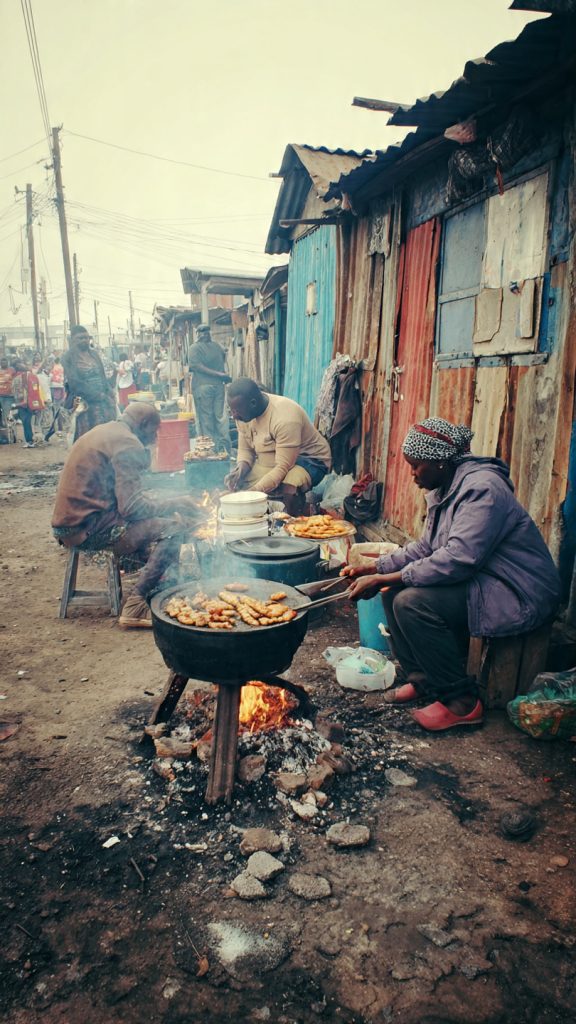
Xenophobia and Migrant Food Vendors in South Africa In a dusty corner of inner‑city Johannesburg, 34‑year-old “Amina” (pseudonym), a Zimbabwean national, set up a small open‑air stall selling maize meal and fresh produce. On many days, she brought affordable staples to working‑class households who lacked access to supermarkets. But on 1 September 2019 — during

How Does Xenophobia Impact the Food Security and Livelihood Strategies of African Migrant Food Vendors in South African Informal Economies? Read More »

xenophobia South Africa, workplace discrimination, migrant laborers, human rights, occupational safety, labor migration policy, Gauteng, Western Cape, KwaZulu-Natal, migrant women, gendered vulnerabilities, irregular migrants, asylum seekers, refugees, wage theft, labor exploitation, mental health migrants, workplace harassment, labor inspections, Employment Equity Act, Labour Relations Act, Basic Conditions of Employment Act, Occupational Health and Safety Act, Decent Work for All, COSATU, SAFTU, Scalabrini Centre, CoRMSA, Jesuit Refugee Service, migrant inclusion, union advocacy, anti-xenophobia programs, digital complaint platforms, labor rights enforcement, policy gaps, intersectionality, health and safety, informal sector, migrant protection, wage discrimination, workplace violence, occupational hazards, South African law, migrant advocacy, labor rights education, inclusive workplace policies, labor inspections Gauteng, migrant worker case studies, employment rights, documentation barriers, social protection migrants, migrant worker mental health, economic insecurity migrants, safe workplaces, migrant labor challenges, action plan migrant rights.

How Does Xenophobia in South African Workplaces Affect the Human Rights and Safety of Migrant Laborers?

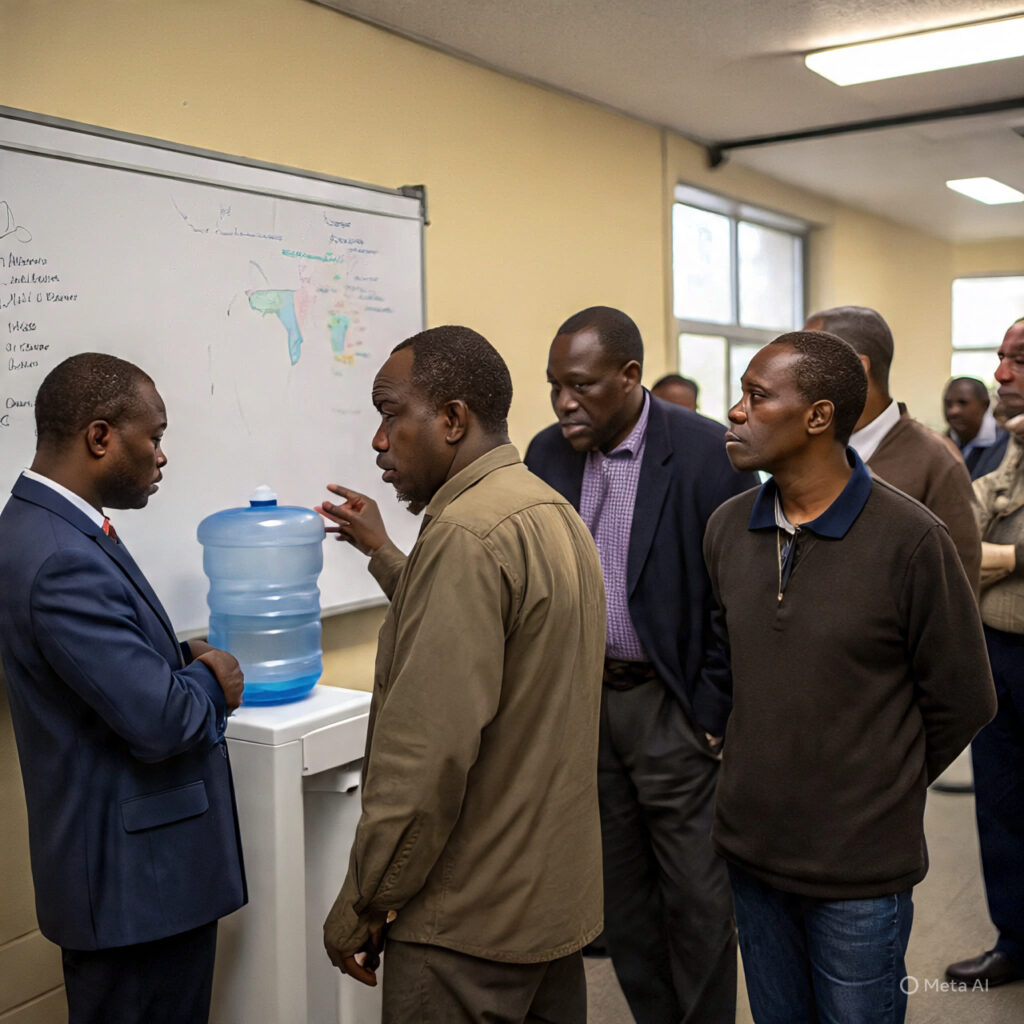
Xenophobia in South African Workplaces Introduction: Fear at Work – The Hidden Cost of Xenophobia In South Africa, workplaces should be spaces of safety, dignity, and opportunity. Yet many African migrant laborers experience fear and exclusion instead. According to a recent report on xenophobic discrimination in South Africa (2022–2024), xenophobic incidents—including workplace-related discrimination—remain widespread.¹ In

How Does Xenophobia in South African Workplaces Affect the Human Rights and Safety of Migrant Laborers? Read More »