vulnerability assessment

COVID-19, South Africa, border controls, regional migration, migration health, health policy, public health, migrant healthcare, undocumented migrants, border closures, Southern Africa, Zimbabwe, Mozambique, Lesotho, healthcare access, mental health, Border Management Authority, refugee health, asylum seekers, community health workers, Johannesburg, Cape Town, Durban, informal sector, agricultural workers, seasonal migration, cross-border health, health systems, migration patterns, deportation, documentation status, health screening, quarantine protocols, PCR testing, healthcare barriers, traditional healers, occupational health, transport workers, port cities, economic migration, family separation, remittances, informal trading, unaccompanied minors, tuberculosis, maternal mortality, reproductive health, gender-based violence, elderly migrants, child health, immunizations, digital health, telemedicine, WhatsApp health services, mobile health units, contact tracing, health surveillance, epidemiological data, health information systems, migration health governance, policy evaluation, stakeholder engagement, civil society organizations, NGOs, human rights, xenophobia, health equity, universal health coverage, health security, pandemic response, lockdown, state of disaster, repatriation, legal limbo, visa requirements, critical skills visa, embassy services, deportation fears, health facility attendance, chronic conditions, infectious diseases, disease transmission, mental health crisis, depression, anxiety, domestic violence, substance abuse, suicide, psychological trauma, social protection, community organizations, health cooperation, SADC, bilateral agreements, health integration, telehealth, cultural competency, linguistic barriers, health literacy, preventive care, emergency healthcare, primary healthcare, specialist services, hospital networks, provincial health departments, Department of Health, Department of Home Affairs, health budgets, cost-effectiveness, implementation timelines, policy recommendations, evidence-based interventions, best practices, research gaps, data collection, surveillance systems, participatory research, longitudinal studies, randomized controlled trials, policy impact assessment, intersectional analysis, vulnerability assessment, ethical considerations, human dignity, social determinants of health, health disparities, marginalized populations, hidden populations, respondent-driven sampling, mixed methods research, qualitative research, quantitative analysis, statistical significance, public health emergency, health emergency preparedness, resilience building, health system strengthening

The Impact of COVID-19 on South African Border Controls and Regional Migration Patterns: A Health Policy Perspective

 COVID-19 Migration in South Africa Introduction: Borders as Barriers to Health On 15 March 2020, President Cyril Ramaphosa declared a national state of disaster. Overnight, borders closed to all but goods and citizen repatriation, reshaping migration across Southern Africa. Maria*, a Mozambican domestic worker in Johannesburg, suddenly faced losing her job if she returned home, […]
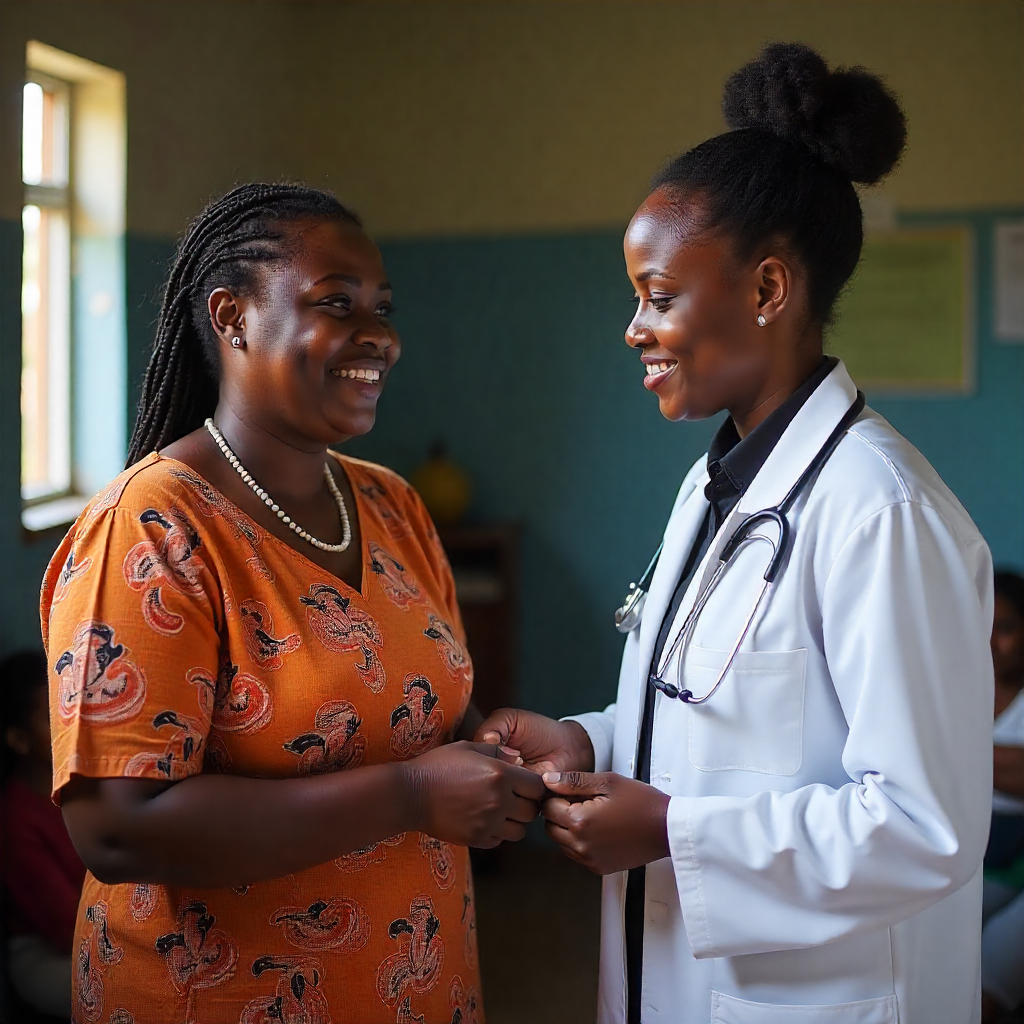
The Impact of COVID-19 on South African Border Controls and Regional Migration Patterns: A Health Policy Perspective Read More »

Regional integration, border security, SADC, Southern African Development Community, South Africa migration policy, free movement protocols, migrant health, healthcare access, undocumented migrants, National Health Insurance, NHI Act, constitutional rights, documentation barriers, health equity, xenophobia, cross-border healthcare, Johannesburg migration, Cape Town health initiatives, Durban border proximity, emergency medical treatment, maternal health, tuberculosis treatment, diabetes management, cultural competency, community health workers, mobile health clinics, telemedicine, blockchain health records, healthcare discrimination, policy implementation gaps, immigration enforcement, deportation fears, asylum seekers, refugee healthcare, intersectional vulnerabilities, gender-based healthcare barriers, migrant children health, elderly migrant care, cost-effectiveness analysis, healthcare utilization patterns, preventable hospitalizations, emergency department overuse, public health surveillance, infectious disease control, antimicrobial resistance, regional health cooperation, bilateral health agreements, health passport systems, professional mobility, economic integration, labor productivity, social cohesion, policy coordination, intergovernmental relations, civil society engagement, NGO partnerships, evidence-based policy, participatory research, climate migration, digital health equity, traditional medicine integration, mental health services, vulnerability assessment, ethical healthcare delivery, human rights approach, universal health coverage, health system strengthening, capacity building, staff training programs, patient advocacy, language interpretation services, alternative identification systems, biometric registration, safe zones, healthcare facilities, clinic access, hospital admissions, treatment continuity, care coordination, quality improvement, performance monitoring, stakeholder engagement, community outreach, peer education, legal aid services, documentation assistance, health outcomes measurement, epidemiological data, mortality rates, vaccination coverage, chronic disease management, emergency care protocols, cost recovery mechanisms, resource allocation, healthcare financing, regional public goods, migration health research, policy analysis, implementation timelines, actionable recommendations

Regional Integration vs Border Security: Balancing Free Movement with National Security Concerns

Migration Health Policy in South Africa The Tale of Two Borders: When Security Meets Healthcare A Life-Threatening Delay In July 2024, Fatima*, a 34-year-old pregnant woman from Mozambique, arrived at a Johannesburg clinic. She experienced complications during her third trimester. The clinic turned her away initially because she lacked proper documentation. This happened despite South

Regional Integration vs Border Security: Balancing Free Movement with National Security Concerns Read More »