policy advocacy

skilled migration, temporary work permits, South Africa, health policy, healthcare workforce, Critical Skills Work Visa, General Work Visa, Remote Work Visa, health professionals, doctors, nurses, specialists, medical migration, immigration policy, Department of Home Affairs, Health Professionals Council of South Africa, HPCSA, healthcare shortages, rural healthcare, urban healthcare, Johannesburg, Cape Town, Durban, Gauteng, Western Cape, KwaZulu-Natal, Limpopo, visa processing, administrative barriers, professional registration, conditional registration, geographic distribution, workforce planning, health system strengthening, public health, private healthcare, healthcare access, healthcare quality, patient outcomes, medical specialties, cardiology, neurosurgery, emergency medicine, oncology, family medicine, public health, telemedicine, digital health, healthcare innovation, health economics, cost-effectiveness, retention rates, integration programs, mentorship, cultural competency, language barriers, SADC countries, African healthcare, Pan-African mobility, regional agreements, health workforce observatory, migration patterns, longitudinal studies, evidence-based policy, stakeholder engagement, government coordination, inter-departmental collaboration, fast-track processing, rural incentives, urban-rural linkages, healthcare equity, health disparities, vulnerable populations, gender considerations, age factors, nationality factors, community integration, professional development, career progression, economic impact, health outcomes, service delivery, policy reform, implementation timelines, success metrics, research gaps, data limitations, comparative analysis, international best practices, Australia health migration, Canada Express Entry, New Zealand immigration, middle-income countries, healthcare systems, health policy makers, public health practitioners, NGO workers, academic researchers, civil society, professional associations, medical education, training programs, credential recognition, quality assurance, supervision models, peer review, performance monitoring, evaluation mechanisms, resource allocation, political commitment, sustainable development, health security, pandemic preparedness, emergency response, mobile health, outreach programs, specialist consultations, waiting times, maternal mortality, chronic disease management, trauma care, pediatric services, health infrastructure, technology adoption, innovation transfer, knowledge exchange, professional networks, policy advocacy, legal assistance, support services, orientation programs, housing support, transportation, safety considerations, religious accommodation, dietary requirements, succession planning, leadership development, capacity building, human capital, brain drain, brain gain, circular migration, temporary migration, permanent residency, family reunification, dependent visas, work authorization, employment permits, labor market, skills shortage, talent attraction, competitive advantage, health tourism, medical tourism, cross-border healthcare, bilateral agreements, multilateral frameworks, regional integration, Southern African Development Community, African Union, World Health Organization, International Labour Organization, Migration Policy Institute, economic development, social cohesion, cultural diversity, multiculturalism, social integration

The Role of Temporary Work Permits in Facilitating Skilled Migration to South Africa: Health Policy Implications and Opportunities

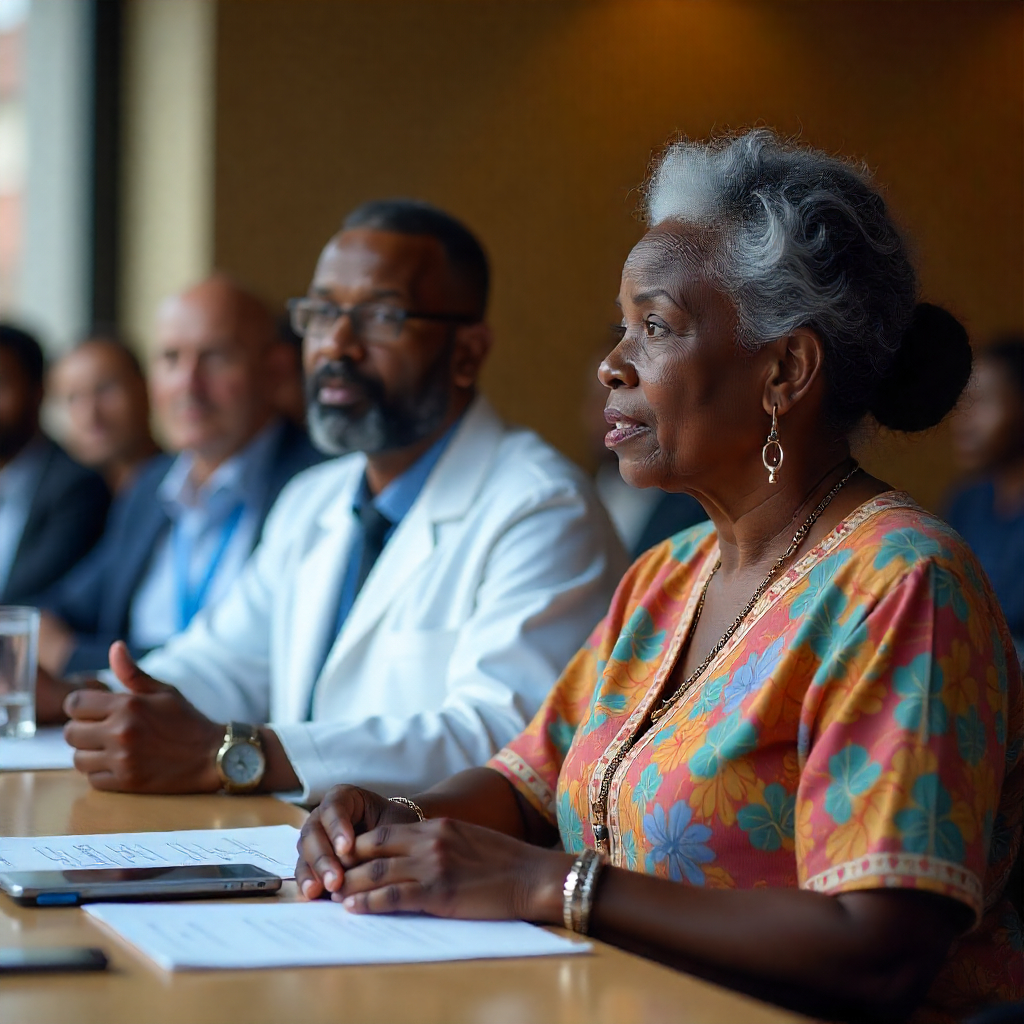
 Skilled Migration and Health Policy in South Africa A Critical Juncture: When Policy Meets Public Health Need In October 2024, Dr. Amara Okafor, a Nigerian cardiologist with fifteen years of experience, finally received her Critical Skills Work Visa after an eighteen-month application process. Her journey to practice medicine in Johannesburg exemplifies both the promise and […]

The Role of Temporary Work Permits in Facilitating Skilled Migration to South Africa: Health Policy Implications and Opportunities Read More »

African migration, South Africa, urban landscapes, health policy, migration health, urban health systems, healthcare access, National Health Insurance, NHI, constitutional rights, undocumented migrants, asylum seekers, refugees, cross-border migration, internal migration, rural-urban migration, circular migration, health equity, primary healthcare, emergency medical services, maternal health, chronic disease management, community health workers, Johannesburg, Cape Town, Durban, Alexandra township, Hillbrow, Yeoville, health system strengthening, policy implementation, documentation barriers, intersectional vulnerabilities, gender-based health disparities, age-specific health needs, cultural competency, language barriers, public health practitioners, health policymakers, NGO workers, civil society organizations, Scalabrini Centre, Doctors Without Borders, health service delivery, mobile health clinics, peer health educators, policy advocacy, human rights, health outcomes, epidemiological data, disease burden, communicable diseases, antenatal care, emergency department utilization, clinic overcapacity, health facility planning, municipal health services, provincial health departments, inter-governmental coordination, budget allocation, cost-effectiveness analysis, health monitoring systems, data collection protocols, staff training, discrimination in healthcare, patient identifier systems, anonymous service delivery, policy harmonization, legal frameworks, National Health Act, constitutional guarantees, health insurance, out-of-pocket payments, medication access, follow-up care, health education, multilingual services, occupational health, informal economy, gender-based violence, adolescent health, older adult care, research gaps, longitudinal studies, economic analysis, implementation research, digital health innovations, technology solutions, community resilience, health security, public health goals, evidence-based policy, stakeholder engagement, accountability mechanisms, service integration, spatial planning, bylaw reforms, private-public partnerships, capacity building, knowledge translation, migration corridors, settlement patterns, demographic transition, urbanization, population health, health equity, social determinants of health, vulnerable populations, marginalized communities, inclusive health policies, universal health coverage, middle-income country, Southern African Development Community, SADC, continental migration patterns, health diplomacy, regional health cooperation

How Does African Migration Affect South Africa’s Urban Landscapes?

The Urban Health Emergency Unfolding in Real Time In the bustling township of Alexandra, Johannesburg, Dr. Sarah Mthembu witnessed firsthand the strain migration places on urban health systems. With Africa experiencing a 25-percent growth in intra-continental migrants over the last decade—from 12 million in 2015 to 15 million in 2024, her clinic now serves triple

How Does African Migration Affect South Africa’s Urban Landscapes? Read More »

occupational health, African migrants, South Africa, informal economy, workplace safety, migrant workers, labor rights, health policy, public health, migration health, informal sector, workplace injuries, occupational hazards, health equity, labor protection, workers compensation, National Health Insurance, NHI, domestic workers, construction workers, agricultural workers, street traders, chemical exposure, pesticide poisoning, workplace violence, documentation status, undocumented migrants, health access, healthcare barriers, policy gaps, labor inspection, COIDA, occupational health surveillance, community health, mobile clinics, employer certification, health disparities, social protection, vulnerable populations, intersectional health, gender and health, migration policy, health systems, primary healthcare, emergency care, injury treatment, chronic diseases, respiratory health, musculoskeletal disorders, burns and injuries, mental health, psychosocial stress, workplace discrimination, language barriers, health education, peer education, multilingual services, health promotion, preventive care, health monitoring, epidemiology, public health research, health economics, cost-effectiveness, health outcomes, longitudinal studies, participatory research, regional cooperation, SADC, cross-border health, health governance, inter-departmental coordination, health financing, universal health coverage, constitutional rights, human rights, social justice, health advocacy, civil society, NGOs, community organizations, stakeholder engagement, policy implementation, health reform, regulatory enforcement, labor standards, safety training, protective equipment, hazard identification, risk assessment, injury prevention, emergency response, first aid, trauma care, rehabilitation, disability, economic impact, poverty, social determinants of health, urban health, township health, informal settlements, health infrastructure, health workforce, cultural competency, health literacy, Johannesburg, Cape Town, Durban, Zimbabwe, Mozambique, Malawi, Lesotho, Stellenbosch, Khayelitsha, Alexandra, Sandton, Western Cape, Mpumalanga, Limpopo, Gauteng, ZEP permits, LEP permits, scaffolding injuries, organophosphate poisoning, industrial cleaning chemicals, Department of Health, Department of Employment and Labour, University of Cape Town, Medical Research Council, Statistics South Africa, WHO, ILO

Informal Work, Formal Risks: Occupational Health Hazards Facing African Migrants in South Africa’s Economy

African Migrant Worker Health Risks Nomsa (not her real name), a 34-year-old Zimbabwean domestic worker in Johannesburg, suffered second-degree burns from industrial cleaning chemicals in 2023. Her employer provided no protective equipment or medical insurance. When she sought treatment at a public clinic, language barriers and documentation concerns delayed her care by three days, resulting

Informal Work, Formal Risks: Occupational Health Hazards Facing African Migrants in South Africa’s Economy Read More »