
KwaZulu-Natal

socioeconomic factors, referral pathways, communication channels, data sharing protocols, coordination mechanisms, multi-country collaboration, regional frameworks, health agreements, memoranda of understanding, technical committees, public health surveillance, outbreak response, health security, epidemic preparedness, pandemic response, health emergency management, contact tracing, case investigation, risk assessment, health financing, donor funding, domestic health funding, resource mobilization, budget allocation, health expenditure, financial sustainability, health economics, cost-effectiveness, implementation strategies, scale-up, pilot programs, best practices, lessons learned, program evaluation, monitoring and evaluation, health system performance, quality improvement, right to health, healthcare rights, migrant rights, health equity, ethical healthcare, non-discrimination, universal health coverage, patient rights, informed consent, data privacy, electronic health information systems, health management information systems, HMIS, interoperability, data standards, patient identifiers, laboratory information systems, reporting systems, SMS reminders, healthcare workforce, health worker training, staff shortages, burnout, capacity development, professional development, human resources for health, health worker migration, brain drain

What Are the Cross-Border Health Coordination Challenges Between South Africa and Neighboring SADC Countries?

Breaking Down Borders, Building Health Systems: The Cross-Border Coordination Crisis in Southern Africa Introduction: When Borders Become Barriers to Health Maria, a 34-year-old Mozambican mother living in Nkomazi, South Africa, discovered she was HIV-positive during antenatal care. Immediately, healthcare workers started her treatment. However, when she returned to Mozambique for a family emergency three months […]

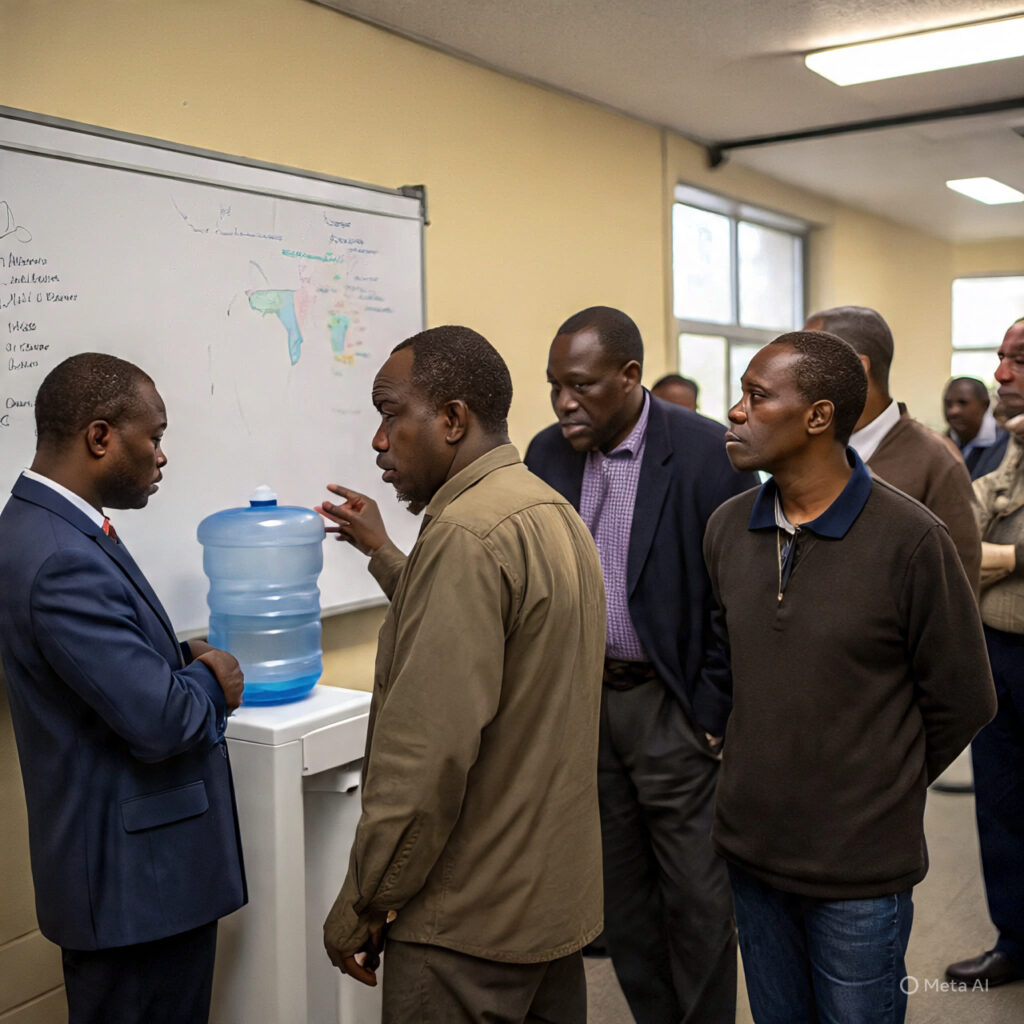
What Are the Cross-Border Health Coordination Challenges Between South Africa and Neighboring SADC Countries? Read More »

xenophobia, medical xenophobia, healthcare access, African migrants, South Africa, public clinics, migrant health, undocumented migrants, refugees, asylum seekers, migrant rights, health disparities, HIV, TB, maternal health, child health, health policy, National Health Act, Refugees Act, inclusive healthcare, cultural competence, discrimination, patient rights, health system barriers, migrant-sensitive care, public health, Gauteng, Johannesburg, Tshwane, KwaZulu-Natal, NGO interventions, civil society, Operation Dudula, migrant-led organizations, health equity, chronic disease management, access to care, health outcomes, policy implementation, social determinants of health, vulnerable populations, intersectionality, gender, documentation status, health ethics, health reform, NDoH guidelines, healthcare training, health monitoring, community support, case studies, evidence-based recommendations, continuity of care, migrant advocacy, health integration

The Impact of Xenophobia on Healthcare Utilization Among African Migrants in South African Public Clinics

The Invisible Barrier: How Xenophobia Undermines Health Access for African Migrants in South Africa In June 2025, a 32‑year-old female migrant from Zimbabwe — let us call her Amina — arrived at a busy public clinic in Johannesburg with fever and persistent cough. Clinic staff demanded identification and proof of documentation. When Amina could not produce

The Impact of Xenophobia on Healthcare Utilization Among African Migrants in South African Public Clinics Read More »

xenophobia South Africa, workplace discrimination, migrant laborers, human rights, occupational safety, labor migration policy, Gauteng, Western Cape, KwaZulu-Natal, migrant women, gendered vulnerabilities, irregular migrants, asylum seekers, refugees, wage theft, labor exploitation, mental health migrants, workplace harassment, labor inspections, Employment Equity Act, Labour Relations Act, Basic Conditions of Employment Act, Occupational Health and Safety Act, Decent Work for All, COSATU, SAFTU, Scalabrini Centre, CoRMSA, Jesuit Refugee Service, migrant inclusion, union advocacy, anti-xenophobia programs, digital complaint platforms, labor rights enforcement, policy gaps, intersectionality, health and safety, informal sector, migrant protection, wage discrimination, workplace violence, occupational hazards, South African law, migrant advocacy, labor rights education, inclusive workplace policies, labor inspections Gauteng, migrant worker case studies, employment rights, documentation barriers, social protection migrants, migrant worker mental health, economic insecurity migrants, safe workplaces, migrant labor challenges, action plan migrant rights.

How Does Xenophobia in South African Workplaces Affect the Human Rights and Safety of Migrant Laborers?

Xenophobia in South African Workplaces Introduction: Fear at Work – The Hidden Cost of Xenophobia In South Africa, workplaces should be spaces of safety, dignity, and opportunity. Yet many African migrant laborers experience fear and exclusion instead. According to a recent report on xenophobic discrimination in South Africa (2022–2024), xenophobic incidents—including workplace-related discrimination—remain widespread.¹ In

How Does Xenophobia in South African Workplaces Affect the Human Rights and Safety of Migrant Laborers? Read More »

skilled migration, temporary work permits, South Africa, health policy, healthcare workforce, Critical Skills Work Visa, General Work Visa, Remote Work Visa, health professionals, doctors, nurses, specialists, medical migration, immigration policy, Department of Home Affairs, Health Professionals Council of South Africa, HPCSA, healthcare shortages, rural healthcare, urban healthcare, Johannesburg, Cape Town, Durban, Gauteng, Western Cape, KwaZulu-Natal, Limpopo, visa processing, administrative barriers, professional registration, conditional registration, geographic distribution, workforce planning, health system strengthening, public health, private healthcare, healthcare access, healthcare quality, patient outcomes, medical specialties, cardiology, neurosurgery, emergency medicine, oncology, family medicine, public health, telemedicine, digital health, healthcare innovation, health economics, cost-effectiveness, retention rates, integration programs, mentorship, cultural competency, language barriers, SADC countries, African healthcare, Pan-African mobility, regional agreements, health workforce observatory, migration patterns, longitudinal studies, evidence-based policy, stakeholder engagement, government coordination, inter-departmental collaboration, fast-track processing, rural incentives, urban-rural linkages, healthcare equity, health disparities, vulnerable populations, gender considerations, age factors, nationality factors, community integration, professional development, career progression, economic impact, health outcomes, service delivery, policy reform, implementation timelines, success metrics, research gaps, data limitations, comparative analysis, international best practices, Australia health migration, Canada Express Entry, New Zealand immigration, middle-income countries, healthcare systems, health policy makers, public health practitioners, NGO workers, academic researchers, civil society, professional associations, medical education, training programs, credential recognition, quality assurance, supervision models, peer review, performance monitoring, evaluation mechanisms, resource allocation, political commitment, sustainable development, health security, pandemic preparedness, emergency response, mobile health, outreach programs, specialist consultations, waiting times, maternal mortality, chronic disease management, trauma care, pediatric services, health infrastructure, technology adoption, innovation transfer, knowledge exchange, professional networks, policy advocacy, legal assistance, support services, orientation programs, housing support, transportation, safety considerations, religious accommodation, dietary requirements, succession planning, leadership development, capacity building, human capital, brain drain, brain gain, circular migration, temporary migration, permanent residency, family reunification, dependent visas, work authorization, employment permits, labor market, skills shortage, talent attraction, competitive advantage, health tourism, medical tourism, cross-border healthcare, bilateral agreements, multilateral frameworks, regional integration, Southern African Development Community, African Union, World Health Organization, International Labour Organization, Migration Policy Institute, economic development, social cohesion, cultural diversity, multiculturalism, social integration

The Role of Temporary Work Permits in Facilitating Skilled Migration to South Africa: Health Policy Implications and Opportunities

 Skilled Migration and Health Policy in South Africa A Critical Juncture: When Policy Meets Public Health Need In October 2024, Dr. Amara Okafor, a Nigerian cardiologist with fifteen years of experience, finally received her Critical Skills Work Visa after an eighteen-month application process. Her journey to practice medicine in Johannesburg exemplifies both the promise and

The Role of Temporary Work Permits in Facilitating Skilled Migration to South Africa: Health Policy Implications and Opportunities Read More »

language barriers, cultural competency, South African healthcare, African migrants, healthcare access, linguistic diversity, cultural misunderstandings, migration health, health policy, public health, xenophobia, discrimination, healthcare workers, interpretation services, multilingual healthcare, community health workers, maternal health, emergency care, patient safety, medical interpreters, health equity, universal health coverage, National Health Insurance, healthcare communication, cross-border migrants, refugee health, undocumented migrants, healthcare rights, cultural safety, health system strengthening, primary healthcare, emergency departments, medical errors, patient satisfaction, health outcomes, Johannesburg, Cape Town, Durban, Gauteng Province, Western Cape, KwaZulu-Natal, Groote Schuur Hospital, Chris Hani Baragwanath Hospital, Zimbabwean migrants, Somali refugees, Congolese migrants, Mozambican migrants, Nigerian migrants, Ethiopian migrants, gender barriers, documentation status, mental health, pediatric care, maternal mortality, antenatal care, reproductive health, chronic disease management, infectious diseases, tuberculosis, HIV/AIDS, healthcare utilization, treatment adherence, appointment compliance, emergency room visits, hospital readmissions, healthcare costs, cost-effectiveness, return on investment, policy implementation, healthcare financing, training programs, capacity building, technology solutions, artificial intelligence, video interpreting, remote interpretation, cultural competency training, medical education, nursing education, health professional licensing, performance indicators, quality improvement, patient feedback, healthcare governance, intersectional factors, vulnerable populations, human rights, constitutional rights, health legislation, National Health Act, Ubuntu philosophy, community partnerships, NGO collaboration, civil society, advocacy, research gaps, longitudinal studies, evidence-based practice, best practices, scalability, sustainability, accountability mechanisms, stakeholder engagement, implementation timelines, monitoring and evaluation

Language Barriers and Cultural Competency in South African Healthcare for African Migrants

 Language Barriers  in South African Healthcare Introduction: When Words Fail, Lives Are at Risk In the sprawling maternity ward of Groote Schuur Hospital in Cape Town, Amina*, a 26-year-old Somali refugee, grips her partner’s hand. Her contractions intensify rapidly. However, she speaks limited English and no Afrikaans or isiXhosa. Meanwhile, the attending nurse grows frustrated

Language Barriers and Cultural Competency in South African Healthcare for African Migrants Read More »