Accend Admin

Durban urban gardening, migrant gardening Durban, Mozambican migrants South Africa, Zimbabwean migrants South Africa, urban agriculture Durban, rooftop gardens Durban, backyard gardens Durban, migrant food security, urban food systems, informal settlements Durban, traditional African vegetables, couve cultivation, muriwo cultivation, vertical gardening, container gardening, companion planting, greywater irrigation, organic pest management, community gardens Durban, migrant nutrition interventions, food insecurity Durban, urban farming policy, migrant-led agriculture, traditional medicine gardens, horticultural therapy, migrant health Durban, nutrition diversity Durban, urban agriculture innovation, food market access migrants, migrant income generation, sustainable urban farming, urban garden collective, climate-resilient urban agriculture, inclusive urban agriculture policy, Durban municipal food programs, migrant household nutrition, rooftop farming South Africa, backyard farming migrants, eThekwini urban agriculture, migrant resilience Durban, urban agriculture extension services, South African migration health, migrant-led food production, informal market produce Durban, food security interventions, migrant women gardeners, traditional crop preservation, urban gardening health benefits, urban agriculture research South Africa, policy support urban farming, migrant community empowerment, urban nutrition security, urban farming challenges, urban agriculture initiatives, sustainable city food systems, migrant livelihoods Durban, community-led urban agriculture, migrant cultural identity, urban agriculture training, urban agriculture water access.

Durban’s Kitchen Gardens: What Mozambican and Zimbabwean Migrants Know About Growing Food in Concrete

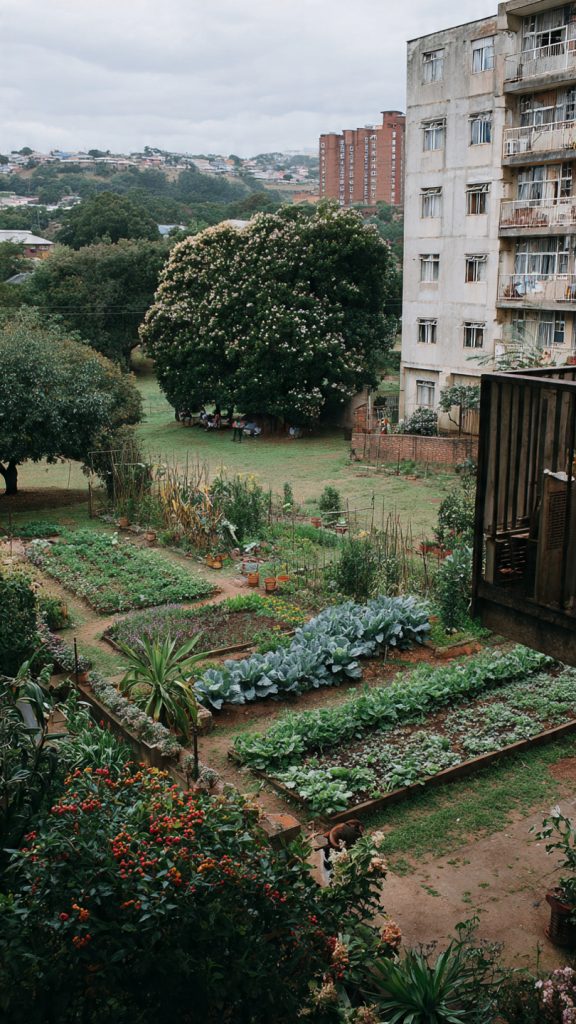
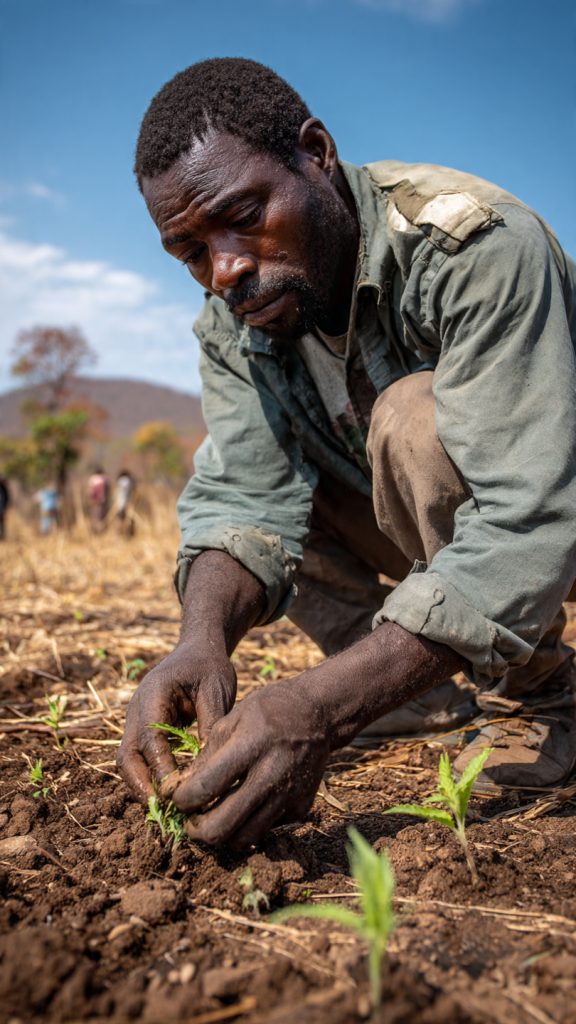
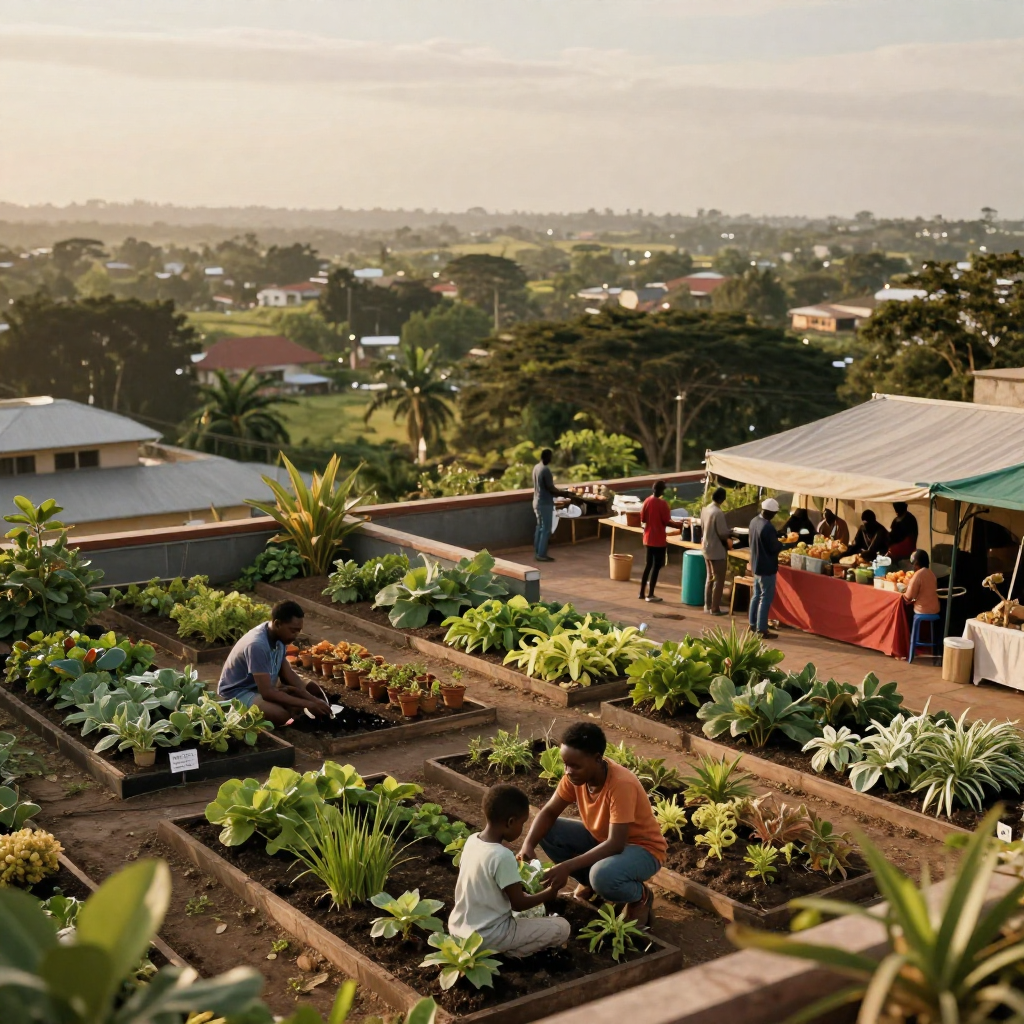
Durban’s Kitchen Gardens: Seeds of Resilience in Urban Concrete Maria tends her rooftop garden every morning before her shift at a Durban textile factory begins. The 34-year-old Mozambican migrant grows couve (kale), tomatoes, and traditional herbs in recycled paint buckets. “Back home, we always had a machamba,” she explains, using the Portuguese term for a […]
Durban’s Kitchen Gardens: What Mozambican and Zimbabwean Migrants Know About Growing Food in Concrete Read More »

mining health, occupational health, return migration, Zambian miners, Copperbelt, agricultural transition, reverse migration, silicosis, tuberculosis, respiratory disease, former mineworkers, rural health systems, health policy, Southern Africa, mining to agriculture, occupational disease, mental health, mining communities, food security, climate change agriculture, health systems strengthening, migrant health, circular migration, mining sector employment, smallholder farming, rural healthcare access, health infrastructure, community health workers, Zambia health policy, South Africa mining, mine worker health, chronic disease management, health transitions, deindustrialization, livelihood transitions, regenerative agriculture, mining legacy, health equity, vulnerable populations, cross-border health, SADC health, medical records transfer, health system gaps, gender and mining, women caregivers, occupational health records, mobile health screening, rural mental health, health intervention programs, mine closures, economic migration, health burden, agricultural diversification, nutrition security, malnutrition, climate adaptation, health service delivery, Operation Phakisa, village health workers, integrated health programs, health policy reform, mining compensation, respiratory conditions, mine worker transitions, regional health cooperation, health workforce, health financing, primary healthcare, binational health systems, development health, African health systems, mining employment, rural development, health research gaps, epidemiological transitions, health outcomes, policy implementation, stakeholder engagement, health governance, copper mining, industrial workers, public health practitioners, NGO health programs, healthcare providers, drug-resistant TB, alcohol abuse miners, musculoskeletal disorders, climate-smart agriculture, health record digitization, tele-health consultations, agricultural extension services, mental health stigma, health screening programs, disability and farming, care burden, mining industry, Kitwe, Lusaka, Central Province, labor migration, economic pressures, automation mining, food insecurity, household nutrition, crop diversity, mining company responsibility, health transition support, WHO health standards, health policy gaps, intersectional health factors, evidence-based interventions, longitudinal health studies, regional cooperation, sustainable development, health and livelihoods

When Miners Become Farmers: The Zambian Copperbelt Workers Returning Home to Reclaim the Land

Miners Back Home: Farming in Zambia’s Copperbelt A Silent Migration Reshaping Southern Africa’s Health Landscape Lusaka, Zambia — James Mwansa spent 22 years underground in Kitwe’s copper mines. Now, he wakes at dawn to tend maize and groundnuts on his family’s 5-hectare farm in Chibombo District. He represents a growing phenomenon: thousands of Zambian miners

When Miners Become Farmers: The Zambian Copperbelt Workers Returning Home to Reclaim the Land Read More »

Here are all the keywords related to this blog post: migration health, Zimbabwean migrants, South Africa healthcare, food security, remittances, WhatsApp groups, digital remittances, Mukuru, food insecurity, National Health Insurance, NHI Act 2024, undocumented migrants, asylum seekers, refugees, healthcare access, xenophobia, documentation barriers, nutrition, malnutrition, mental health, chronic diseases, urban agriculture, diaspora, cross-border remittances, informal settlements, Alexandra township, Khayelitsha, Delft, Hillbrow, Johannesburg, Cape Town, Durban, Zimbabwe economic crisis, COVID-19, pandemic impact, female migrants, gender vulnerability, policy reform, primary healthcare, mobile clinics, social protection, food vouchers, transaction costs, financial inclusion, urban food security, spaza shops, food deserts, remittance corridors, health policy, migration policy, Border Management Authority Act, public health, communicable diseases, tuberculosis, HIV/AIDS, maternal health, antenatal care, vaccine coverage, food remittances, grocery delivery, Malaicha, fintech, mobile money, employment precarity, domestic workers, informal economy, health disparities, health equity, vulnerable populations, integrated services, Scalabrini Centre, NGOs, civil society, community gardens, nutritional deficiencies, iron deficiency, anemia, obesity, ultra-processed foods, mental health crisis, anxiety, depression, chronic stress, remittance pressure, health outcomes, healthcare utilization, documentation status, legal status, asylum hearings, expired permits, healthcare gatekeeping, emergency services, late-stage disease, disease transmission, maternal mortality, antiretroviral treatment, immunization, food prices, hyperinflation, currency instability, El Niño drought, agricultural failure, economic hardship, income collapse, food price inflation, supply chain disruptions, lockdown restrictions, border closures, urban planning, food retail, township economies, mobile technology, digital platforms, WhatsApp Business, SMS notifications, bulk ordering, price comparisons, exchange rates, financial literacy, predatory lending, sustainable development, diaspora investment, economic stabilization, political instability, one-stop centers, legal assistance, nutrition counseling, employment assistance, community support groups, government-NGO partnerships, private sector collaboration, health monitoring, anti-xenophobia campaigns, medical education, cultural competence, patient advocacy, community health workers, policy evaluation, research gaps, longitudinal studies, health trajectories, participatory research, epidemiological data, health information systems, migration status, anonymity protection, intersectional vulnerabilities, age discrimination, language barriers, cultural beliefs, regional cooperation, Southern Africa, SADC, humanitarian response, crisis preparedness, pandemic preparedness, food relief programs, emergency assistance, constitutional rights, human rights, social cohesion, integration models, return migration

The WhatsApp Groups Feeding Harare: How the Diaspora Is Bankrolling Zimbabwe’s Urban Organic Food Movement

WhatsApp Remittances and Health: The Cost of Feeding Families Across Borders Money From Abroad, Vegetables at Home, and the Economics of Eating Clean A 32-year-old electrician from Harare never thought he would leave Zimbabwe. Nevertheless, economic collapse forced him out. Today, he lives in Cape Town’s informal settlements, working casual jobs. However, his WhatsApp notifications

The WhatsApp Groups Feeding Harare: How the Diaspora Is Bankrolling Zimbabwe’s Urban Organic Food Movement Read More »

Namibian farmers, drought-resistant crops, indigenous crops, climate migration, Southern Africa agriculture, food security, rural livelihoods, climate adaptation, mahangu, sorghum, cowpea, Bambara groundnut, agroecology, smallholder farmers, Limpopo agriculture, Tsumeb, Thohoyandou, cross-border farming, seed systems, community seed banks, nutrition security, climate-smart agriculture, SADC migration, South Africa rural development, sustainable farming, climate-resilient crops, urban food insecurity, migration health, gender and migration, youth farmers, undocumented migrants, agricultural policy, FAO dryland program, El Niño drought, crop diversity, informal settlements, traditional knowledge, agricultural extension, smallholder collectives, local markets, food sovereignty, adaptive farming practices, climate change impact, multi-stakeholder collaboration.

From Tsumeb to Thohoyandou: The Namibian Farmers Bringing Drought-Resistant Indigenous Crops Across Borders

Namibian Farmers Bringing Drought‑Resistant Crops Across Borders In the arid expanses between Tsumeb in northern Namibia and Thohoyandou in Limpopo Province, a new pattern of climate‑linked movement and agricultural innovation is emerging. Severe droughts and erratic rainfall, driven by climate variability, are forcing rural agricultural households to rethink what crops they grow, where they live,

From Tsumeb to Thohoyandou: The Namibian Farmers Bringing Drought-Resistant Indigenous Crops Across Borders Read More »

Botswana returning migrants, return migration Southern Africa, organic farming Botswana, agroecology Southern Africa, chemical-free agriculture, sustainable agriculture Africa, migrant-led farming innovation, migration and food systems, migration and public health, health impacts of pesticides, occupational health farmworkers, non-communicable diseases Southern Africa, diet-related diseases Africa, food security Botswana, rural livelihoods Botswana, smallholder farmers Southern Africa, indigenous farming knowledge, traditional agricultural practices, sustainable land use Botswana, environmental health agriculture, pesticide exposure Africa, urban–rural migration linkages, remittances and agriculture, migrant reintegration policies, cross-border migration Botswana South Africa, informal food markets Gauteng, Johannesburg food systems, Pretoria informal markets, regional food supply chains, women farmers Botswana, gender and agriculture Southern Africa, youth return migrants, land tenure and migration, undocumented migrants agriculture, social determinants of health, nutrition-sensitive agriculture, public health and food systems, agroecological transition, climate-resilient agriculture, sustainable diets Africa, policy gaps agriculture and health, South African agricultural policy, National Health Insurance food security, NGO agroecology programs, community-based farming initiatives, regional development SADC, migration-informed policy, health equity and food systems

Why Botswana’s Returning Migrants Are Ditching Chemicals and Going Back to the Old Ways

Back Home, Back to Organic: Botswana’s Returning Migrants The Organic Farming Renaissance Led by Those Who’ve Seen Both Worlds Introduction: When Migration Comes Home In 2023, Botswana’s Ministry of Agriculture reported a 28% increase in smallholder registrations in the eastern districts of Central, Kweneng, and North-East. Notably, local extension officers observed that many new entrants

Why Botswana’s Returning Migrants Are Ditching Chemicals and Going Back to the Old Ways Read More »

labor migration, Southern Africa, kapenta, dried fish trade, Lake Kariba, informal food systems, food security, nutrition security, migrant health, public health, urban health, cross-border trade, informal economy, migrant diets, affordable protein, food systems, migration and health, migration policy, health policy, National Health Insurance South Africa, primary health care access, undocumented migrants, healthcare access barriers, xenophobia, gender and migration, women traders, intersectionality, occupational health risks, food safety, environmental health, informal markets, spaza shops, street vendors, Johannesburg inner city, Cape Town townships, eThekwini informal trade, Gqeberha markets, urban poverty, social networks, remittances and food, circular migration, Southern African Development Community (SADC), regional food systems, NGO interventions, community-led health programs, mobile clinics, policy gaps, governance silos, migrant-inclusive policies, nutrition policy, urban food governance, livelihoods, resilience, public health equity

The Kapenta Trail: How Labor Migration Created Southern Africa’s Most Unlikely Food Network

Migration on the Menu: Kapenta, Food, and Health Following fish, families, and farming knowledge from Lake Kariba to the Cape Opening: A Fish That Travels Further Than People In 2023, dried kapenta from Lake Kariba appeared in informal markets across Johannesburg, Cape Town, and Gqeberha. Alongside mielie meal and tomatoes, traders sold it to low-income

The Kapenta Trail: How Labor Migration Created Southern Africa’s Most Unlikely Food Network Read More »

remittances, rural farming, migration and food security, Malawi agriculture, Malawian villages, rural livelihoods, smallholder farmers, labor migration, agricultural labor shortages, family farming systems, organic agriculture, agroecology, subsistence farming, crop diversification, soil fertility, seed saving, traditional farming knowledge, women farmers, gender and agriculture, feminization of agriculture, youth migration, transnational households, rural–urban migration, cross-border migration, Southern Africa migration, Malawi–South Africa migration corridor, migrant workers in South Africa, informal labor markets, remittance dependence, household income strategies, food insecurity, nutritional outcomes, dietary diversity, child stunting, maternal nutrition, non-communicable disease risk, public health and nutrition, migration health, social determinants of health, rural health systems, access to healthcare, National Health Insurance South Africa, health policy for migrants, agricultural policy gaps, food systems policy, transnational food systems, rural development policy, social protection, climate vulnerability, climate-smart agriculture, resilience building, community-based agriculture, women-led cooperatives, farmer cooperatives, organic value chains, informal food markets, urban food security, informal produce markets, NGO interventions, community-led solutions, policy integration, SADC migration policy, ethical migration research, vulnerable populations, evidence-based policy, mixed-methods research, qualitative case studies, rural Malawi, Gauteng food systems

Are Remittances Killing Rural Farming? What Malawian Villages Can Teach Us About Migration and Food Security

Remittances, Migration, and the Future of Rural Farming When money from the city replaces hands in the soil—and what it means for organic agriculture Introduction: When Cash Arrives but Fields Lie Fallow In 2023, remittances to Malawi exceeded USD 600 million, a figure larger than the national agriculture budget for smallholder support. In villages across

Are Remittances Killing Rural Farming? What Malawian Villages Can Teach Us About Migration and Food Security Read More »

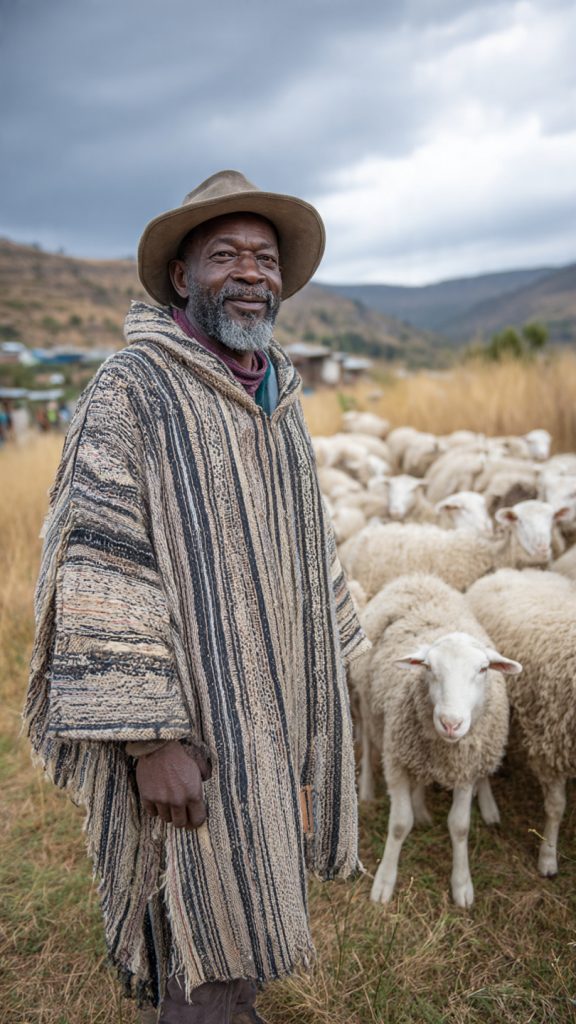
The Lesotho Shepherds Who Became Gauteng’s Unexpected Organic Farming Pioneers

Mountain Agriculture Meets Urban Health: The Complex Health Landscape of Lesotho’s Migrant Farmworkers in Gauteng Introduction: A Crisis Hidden in Plain Sight Across the agricultural belts surrounding Johannesburg and Pretoria, an estimated 350,000 Basotho migrants cultivate the food systems that sustain South Africa’s most urbanised province. Former mountain shepherds, seasonal harvesters, and, increasingly, innovators in

The Lesotho Shepherds Who Became Gauteng’s Unexpected Organic Farming Pioneers Read More »

Mozambican farmers, Mozambique–South Africa migration, cross-border migration, informal cross-border trade, organic produce trade, tomato value chain, smallholder agriculture, machamba farming, circular migration, food systems and migration, urban food security, informal markets Pretoria, Marabastad market, Tshwane informal economy, fresh produce supply chains, migrant livelihoods, agricultural migration, climate-induced migration, climate variability southern Africa, informal food systems, organic farming southern Africa, migrant traders, cross-border traders, SADC migration, regional food trade, undocumented migrants, migrant documentation status, health access for migrants, migrant health policy South Africa, National Health Act South Africa, primary healthcare access, health inequities migrants, market-based health outreach, mobile clinics informal markets, nutrition and migration, food insecurity among migrants, gendered migration patterns, women in informal trade, youth migration southern Africa, migrant remittances, informal market governance, urban public health Pretoria, municipal health planning, City of Tshwane IDP, NGO migrant health interventions, migrant associations, community-led initiatives, policy gaps migration health, evidence-based policy analysis, intersectionality migration health, ethical migration research

From Machamba to Market Stall: Why Mozambican Farmers Are Following Their Tomatoes to Pretoria

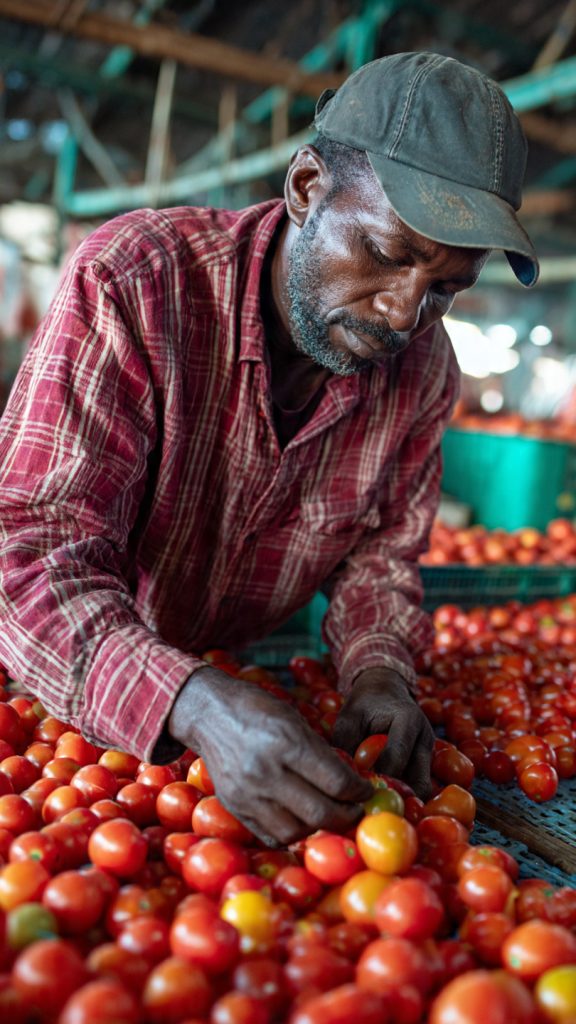
Cross-Border Farming and Pretoria’s Tomato Trade The Untold Story of How Organic Produce Is Reshaping Migration Patterns A Border-Crossing Food System in Motion In 2023, informal markets in Pretoria North and Marabastad recorded a visible rise in fresh tomatoes, leafy greens, and chillies traced back to southern Mozambique. At the same time, border authorities at

From Machamba to Market Stall: Why Mozambican Farmers Are Following Their Tomatoes to Pretoria Read More »

Zimbabwean migrants, Johannesburg, heirloom crops, grandma’s seeds, seed exchange networks, urban gardening, urban agriculture, food heritage, cultural preservation, informal gardening, migrant food security, biodiversity, community gardens, cross-border seeds, indigenous crops, organic farming, home gardens, migrant livelihoods, nutrition, rooftop gardens, Gauteng, Limpopo, migration health, informal economy, sustainable agriculture, women gardeners, undocumented migrants, traditional seeds, climate-resilient crops, migrant communities, South African food policy, municipal support, seed libraries, urban food systems, cultural resilience, nutrition security, food diversity, community-led initiatives, NGO programs, urban nutrition, cross-border knowledge networks, crop preservation, agricultural knowledge transfer, migrant empowerment, public health, inclusive urban agriculture

When Grandma’s Seeds Cross Borders: How Zimbabwean Migrants Are Keeping Heirloom Crops Alive in Johannesburg

Preserving Heritage: Zimbabwean Migrants’ Heirloom Seeds The Hidden Lifeline of Heritage Seeds On a busy street in Yeoville, Johannesburg, 62-year-old “Mavis” (not her real name) exchanges a small packet of seeds with a neighbour. These are not ordinary seeds—they are her late grandmother’s heirloom crops, passed down through generations in rural Zimbabwe. For Mavis, this

When Grandma’s Seeds Cross Borders: How Zimbabwean Migrants Are Keeping Heirloom Crops Alive in Johannesburg Read More »